journal/

on-going mostly unedited stream of thoughts

living life like a solo rpg player

One of my all-time favourite games is stardew valley. I don’t actually play a lot of games, partially because they trigger migraines and motion sickness for me, and partially because a combination of adhd and terrible motor-skills make me bad at playing them. However stardew valley was relatively simple as a 2D pixel art game with simple controls. It had a lot of depth, so it kept me occupied for at least a couple of weeks. I played it years ago, but till today it remains as a fond memory for me.

Last week I wrote about tv variety shows that have a “healing” quality: stardew valley is a video game with a healing quality (yes I haven’t played animal crossing yet because I know I’ll end up glued to the screen for hours). There are no monsters to kill, no compressed timelines to adhere to, no dying, no characters going insane because we forgot to make them do something. One can do as much as they want and as little as they want. They can choose to complete quests at their own pace, or simply do whatever they want.

I was obviously addicted to playing the game, so I immersed myself in it. For that period I stopped looking at the phone or anything else. That gave me a significant realisation that is still has repercussions and meaning till today. I realised I am happier when I don’t have to interact with anybody, with the exception of my partner.

By happier I don’t mean I started having joyful feelings, I mean I stopped having so many painful feelings, and I was allowed to feel a sense of peace. This is counter-intuitive to all those studies that show that having a social life is key to better health and hence, longevity. I think it depends whether you perceive being alone as depressing, or aloneness is actually a precious gift.


We cannot expect billions of human beings to be the same: to want and need similar things. As a species we are biologically programmed to favour socialising, because moving in groups increased our survival rates. But throughout history there were probably always hermits. Hermits who were such not because they were ostracised, but they voluntarily sought hermithood and considered it a delight. During some of the lowest points of my life, I have found reading such stories of hermits greatly strengthening.

Solitude is for me a fount of healing which makes my life worth living. Talking is often torment for me, and I need many days of silence to recover from the futility of words.– Carl Jung, Book: Selected Letters of C.G. Jung, 1909-1961

The more life I experience, the more I feel that communication is extremely difficult. We seem to be speaking the same language, but interpreting it in vastly different ways. My partner and I have been together for almost 9 years, yet there are many instances where we were clearly not having the same conversation and it takes skill to seek clarification and not misunderstand. If 9 years of intimate living is not enough to significantly narrow that gap, I am not sure what would.

Every one of us is inherently different, and the environment we grew up in then shapes us even more differently. This can be beautiful in many ways, as we are beneficiaries of an amazing array of creativity and talent. But on the flip side everybody has their own separate hangups, chips on their shoulder, things that motivate or demotivate them, things that would be crushing to me but not you. Somehow we fail to understand that, and we have created a society that assumes we are all the same and we all need similar things.

In an 1:1 interaction there is often a ton of unsaid sentiment that can cause an accumulation of resentment and misunderstandings. It gets worse in a group. We are often talking to people as though we know them, but most of the time we don’t. We make a lot of assumptions about the other person. Every one has different principles, values, dealbreakers, things that are non-negotiable to them.

I think it can be rewarding to navigate these and form genuine strong relationships. In my opinion, these are rare. I often encounter stories of how friendships or even familial relationships are broken because one party decided to establish some boundaries, changed their social status, or due to some uncontrollable environmental factors. Most relationships are very conditional, which is fine if we accept the transient nature of it.


I don’t have the capacity to navigate the inherent differences in people’s expectations of communication and of a relationship. I can hardly manage the conflicts I have within myself. Every time an interaction goes sour it deeply hurts me. It could be rejection sensitive dysphoria, it could be cptsd, it could be my autistic brain, or all of the above — who knows?

I have spent so much of my life trying to be otherwise, like self-inflicted exposure therapy. To overcome my social anxiety I started meeting a lot of new people. I even started public speaking. I went to networking events, grabbed a ton of 1:1 coffee, developed seemingly deep friendships. Plenty of these relationships faded when I developed chronic illness and stopped being productive in a societally defined manner. Over the years I can count the number of people who cared enough to ask about my health on one hand. Was I really happy and fulfilled with so many people surrounding me? But what does it mean when I was only able to uphold these connections because of where I’ve worked and what I’ve worked on?

Only upon hindsight I was able to see that I was putting on a mask. I didn’t understand myself well enough to know what I truly wanted and needed. I was such a people pleaser, because I couldn’t bear the thought of people disliking me. It seemed nice to be popular, but only with awareness we may notice a sort of hollowness attached to a popularity that comes at an expense of our selves.


If we pause for a while to think about it: how much of unhappiness is caused by how much we care about the perception of other people? As soon as we’re born we’re concerned about getting the loving attention of our immediate family. Then we want to fit in with the kids at school. Followed by managing the perceptions of our colleagues, bosses and clients. Even when making art or writing blog posts we are afraid that no one likes what we create.

Why are we so preoccupied with what people perceive? Why do we value the approval and acceptance that is only possible with hiding massive parts of our selves? Isn’t it very illogical and a huge waste of our lives?


I am not immune to people’s perceptions, especially with a chronic history of low self-worth and fear of abandonment. But I feel like with age and practice I am gradually gaining the strength to just do my own thing. A lot of it is out of sheer necessity because of covid cautiousness. Being covid cautious these days requires a comfortable acceptance with being perceived as weird. I also feel a great degree of self-consciousness whenever I post something about covid because I know nobody wants to be reminded about it. But I keep asking myself what is more important: being ostracised, or doing what is right?

These days I feel a lot like how I felt when I played stardew valley. In the game I quietly farm and fish alone. So now, I just do things that is meaningful to nobody but myself. I try to write posts that are meaningful to me, I post the occasional drawing or photo, I share research about the harms of covid, I get a kick out of running and weight lifting by myself, etc. I do spend time with my partner, but she is just as socially isolated as me, so we’re sort of living in a tiny world that is cut off from everyone else. Our only social interactions are with social media mainly and occasional gatherings with family. Strangely, she also has the sort of personality that prefers to do things alone. Without her, I would probably be a total hermit.

People find this lonely, but I find it incredibly liberating. There are no perceptions or relationships to manage, I don’t have to worry about group dynamics or trying to maintain harmony. Of course there is privilege involved, I don’t have to work in an office. I can choose to deliver food or parcels  – work that greatly lessens the interactions needed with people.

I enjoy the occasional asynchronous interaction with people online. The thing with asynchronous interactions is that we can choose to interact as much or as little as we want. Sometimes I go days without responding to messages, other times I exchange a flurry of messages with an internet friend online.


It seems like so many people like to play multiplayer online games, so much so that it can be difficult to find games that we can quietly play alone. But today while doing some light research about solo rpgs I found out that there’s a growing community of people who like to play tabletop rpg games alone. It is quite something to be able to do that. This is why I love the internet despite its problems. Just when we are thinking we are alone being this weird there is almost a community of people out there like us.

Isn’t it nice to play a game by our selves? We set the rules or lack of, the pacing, the variables. There is no need to be competitive or cautious, we don’t have to make anyone a loser or fear being losers. No one cares if we are slow to react or we prefer to take it easy. We can just quit playing whenever we want, not having to worry about being a party-spoiler.


Just to be clear I am not writing this post to convince anyone that going solo is “better” or anything. It is for some of us out there who are still feeling tortured because societal conditioning makes us believe we have to live life a certain way and that we will only thrive if we fulfil certain conditions.

For example, there were instances when people were trying to teach that succinct writing is better. Or that we have to write a certain way so we can gain an audience. But I want to reiterate it is totally fine to write for nobody but our selves. I know that this post is very verbose and longwinded but this is just an expressed outcome of my convoluted mind. I don’t wish to shape or compress myself on my own blog just so people like my writing more. I post my writing and stuff online for the occasional serendipitous encounter that the internet brings, but mostly it is a place where I can simply be myself. Once in while because I am willing to be totally weird here I find someone else who resonates strongly with my particular weirdness. It is the embracing of my aloneness that ironically makes me less lonely.

Sometimes what society perceives as “better” is not better for us personally. This is why self-introspection can be meaningful. We wouldn’t always get answers we need from other people, because other people are not like us. It took me a long time to learn this, especially because I fear being abandoned. It took me as long to realise that just because I fear being abandoned doesn’t mean surrounding myself with people is the solution. Ultimately, it is my self whom I should not abandon.
Paik Jong Won

…is a celebrity chef in South Korea. He also owns multiple restaurant franchises with thousands of branches mainly in korea with some splattered all over the world. I first knew of him not through tv but through his restaurants which opened in Singapore a few years ago, and I got slightly annoyed that his face was being plastered everywhere (I know, I am easily annoyed). He’s now probably getting more international recognition due to the broadcast of Culinary Class Wars on Netflix where he is one of the judges.

(sidenote: it is worth watching Culinary Class Wars just for the challenge where participants can only work with convenience store ingredients and one of the participants made chestnut tiramisu)

I’ve been to South Korea twice with the most recent time just a few months ago, but both visits I didn’t really pay attention to anything Paik related. To me, he was just one of the hundreds of celebrity personalities South Korea has manufactured.


I started watching Jinny’s Kitchen last year out of curiousity because it was mentioned on a friend’s ig story. I wasn’t really a fan of korean variety shows. I would watch the occasional reality show like Physical 100 because it was on Netflix. But Jinny’s Kitchen made me fall in love with a certain sub-genre of korean reality tv – a sub-genre people like to call, “healing”. They offer almost no drama (gasp how is this possible on tv): in fact most of the time nothing is really happening. Jinny’s Kitchen is just a bunch of celebs cooking and interacting with the locals who mostly do not seem to know them. But it was funny and heartwarming. It is rare for tv these days to feel heartwarming, because most of them are designed to dramatic and provocative.

So from Jinny’s Kitchen I watched everything in the same series: Youn’s Kitchen and Youn’s stay. This year they released Jinny’s Kitchen 2 on amazon prime, and we eagerly watched each episode as they were being released. While waiting for a new episode people on reddit was asking for recommendations to other shows that give a similar vibe, and one of those recommendations was “The Genius Paik“.

Just one episode in, I started to comprehend why Paik has garnered so much popularity. The first few episodes of The Genius Paik was uncomfortable to watch for many reasons, but he was such a good sport about it. People complained that it was not a “healing” tv program due to the discomfort, but I was impressed by how he navigated the situation, that those episodes can even be aired in the first place (it did generate controversy). So we watched Genius Paik 1 & 2, and now we’re making our way through The Backpacker’s Chef 1.


The more we watched him the more enamoured my partner and I became. Yes we know what we see on tv may not be real and he may have a hyde to his jekyll, but not every celebrity can go on tv for decades and maintain such a likeable persona consistently.

Watching him navigate the different restaurant and cooking challenges, he embodies the sort of creative spirit I admire: spontaneous, curious, innovative, while trying to enjoy every moment. As of writing this post he is 58 (1966), but his zest and energy seems to know no bounds. When mistakes or unfortunate events happen he remains unfazed, possessing a knack for thinking on his feet to resolve them creatively.

Once his team mate accidentally used cured pork instead of fresh pork to cook jokbal, Paik rescued the entire dish over the phone without even pausing much to think about it. He doesn’t seem to like food waste which seems inevitable for tv shows, cooking all the remaining ingredients into sellable food at his popup restaurants even though it is just for tv. I have begun to cook and repurpose my leftovers more creatively as new dishes instead of just warming them up for consumption. Just this morning, I worked a leftover chinese chicken soup into a cauliflower rice risotto. I think it is so cool that my brain has started thinking differently simply because I watched some tv.

I read that people like to watch his youtube channel for recipes because he tries to make it easy for them to learn, incorporating easy-to-find ingredients and simple instructions. I like people who makes learning skills as accessible as it can get instead of trying to gatekeep them. He is known for not measuring his condiments and spices, and he makes cooking look like anybody can do it. He likes to tell people he is not a chef, but a businessman. Some people don’t take him seriously, because he is not classically trained. I think it doesn’t matter whether he is a chef or a businessman. After all it is just a label. I think what matters is his love for his work and what he does with it. One can be the best at something and yet continually make people around them feel bad about themselves. I think what is more rare than just mere skills, is the ability, capacity and willingness to uplift in a world bent on weighing us down.

My partner tells me she feels like she has changed after watching Paik, becoming friendlier to people in general. For me watching his tv shows has revived my interest in cooking. I know cooking can be a creative activity but it is difficult for me to sustain that mindset because I am prone to falling into fixed patterns. This gets worse as I age as I gradually lose my will and energy to be spontaneous and experimental. So watching a 58 year old having so much life in him, more life than a ton of people half his age is eye-opening for me.


I personally find it difficult to find people who are positive influences on me, because I am cynical beyond help these days. Is someone like Paik a net positive effect on this world? I don’t know. His franchisees may be disgruntled with him. I don’t know enough about him or his businesses. But his tv persona at least is a positive influence on me. I feel the “healing” effect of his tv shows like the korean netizens like to say: watching him tend to make my heart lighter more often than not. That is super rare for a person like me who tends to be weighed down by everything.

further reading

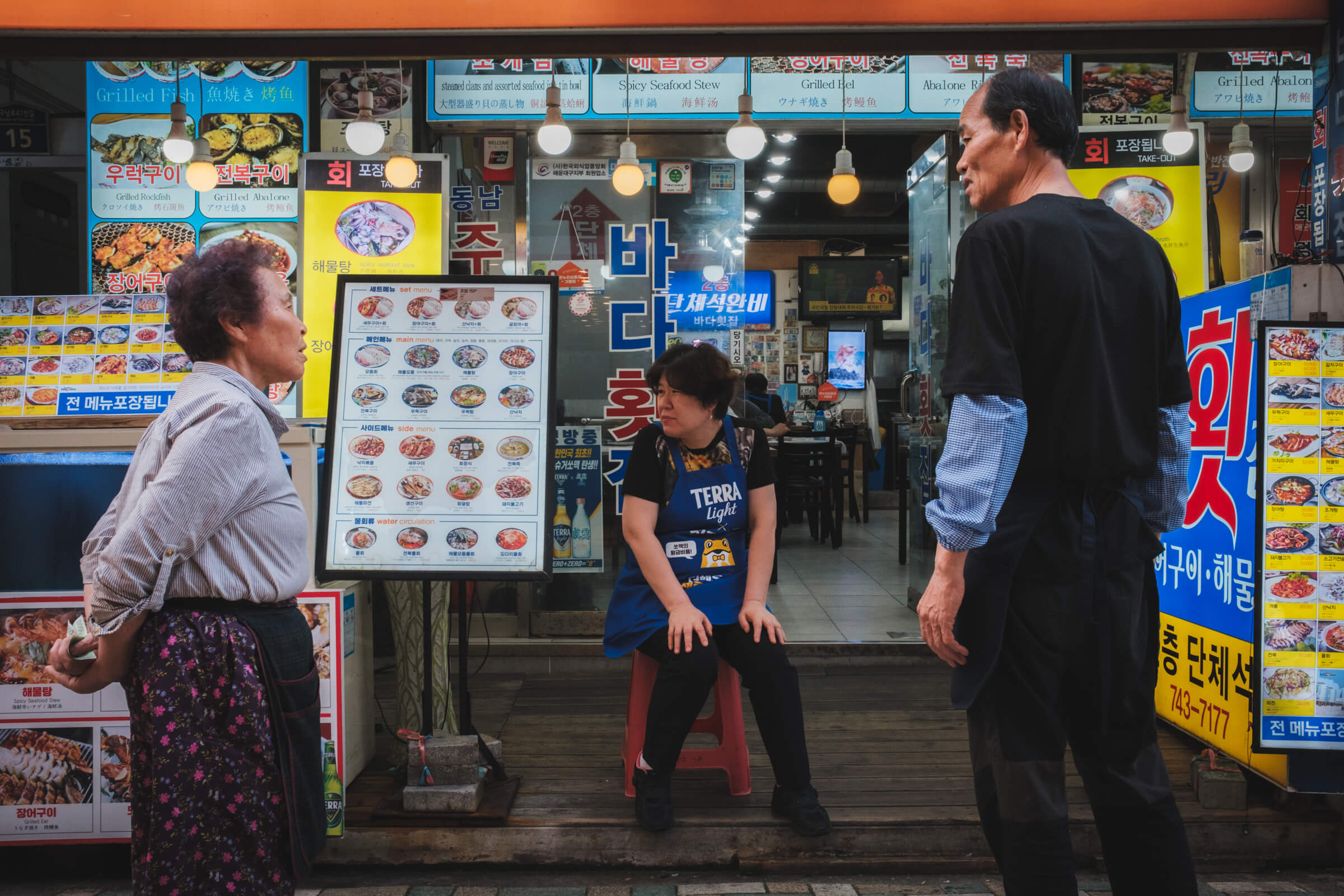
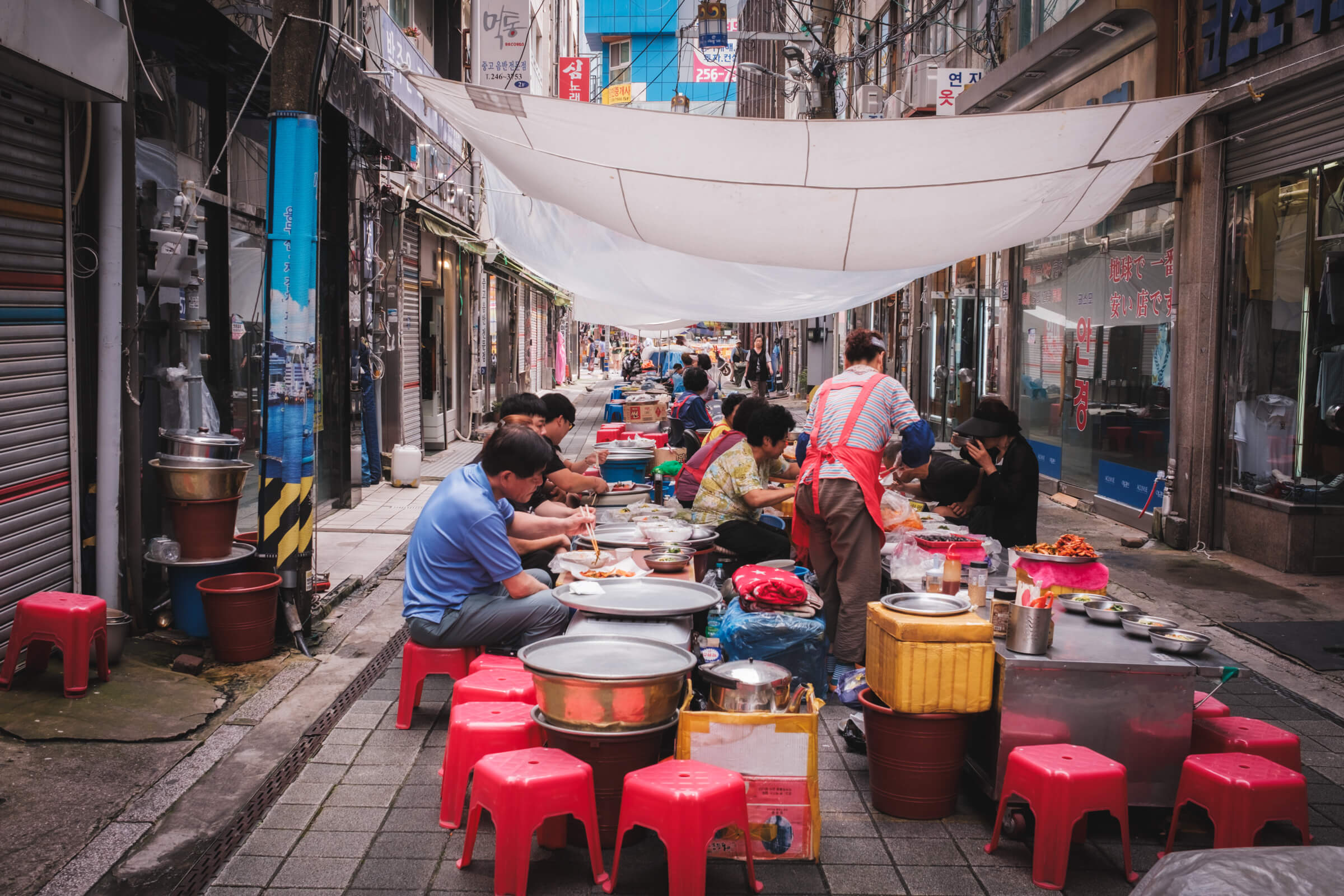
random scenes from busan

I tend to forget about my photos once too much time had passed, so today I deliberately dug into the archive from my korea trip a couple months ago. It is an interesting experience: trying to curate a set of photos – what is the criteria for my selection? I don’t have a concrete idea myself. Perhaps it is some intuitive algorithm of interestingness that exists in my mind.

I think that is what makes art and photography profound. Essentially they are a form of wordless communication. I select a bunch of photos based on what I think I would like to share, and the way you may resonate or respond to them is probably nothing like what I’ve intended. There is some sort of bridging, nevertheless.

photo of different stall owners having a conversation
photo of a street stall in Busan
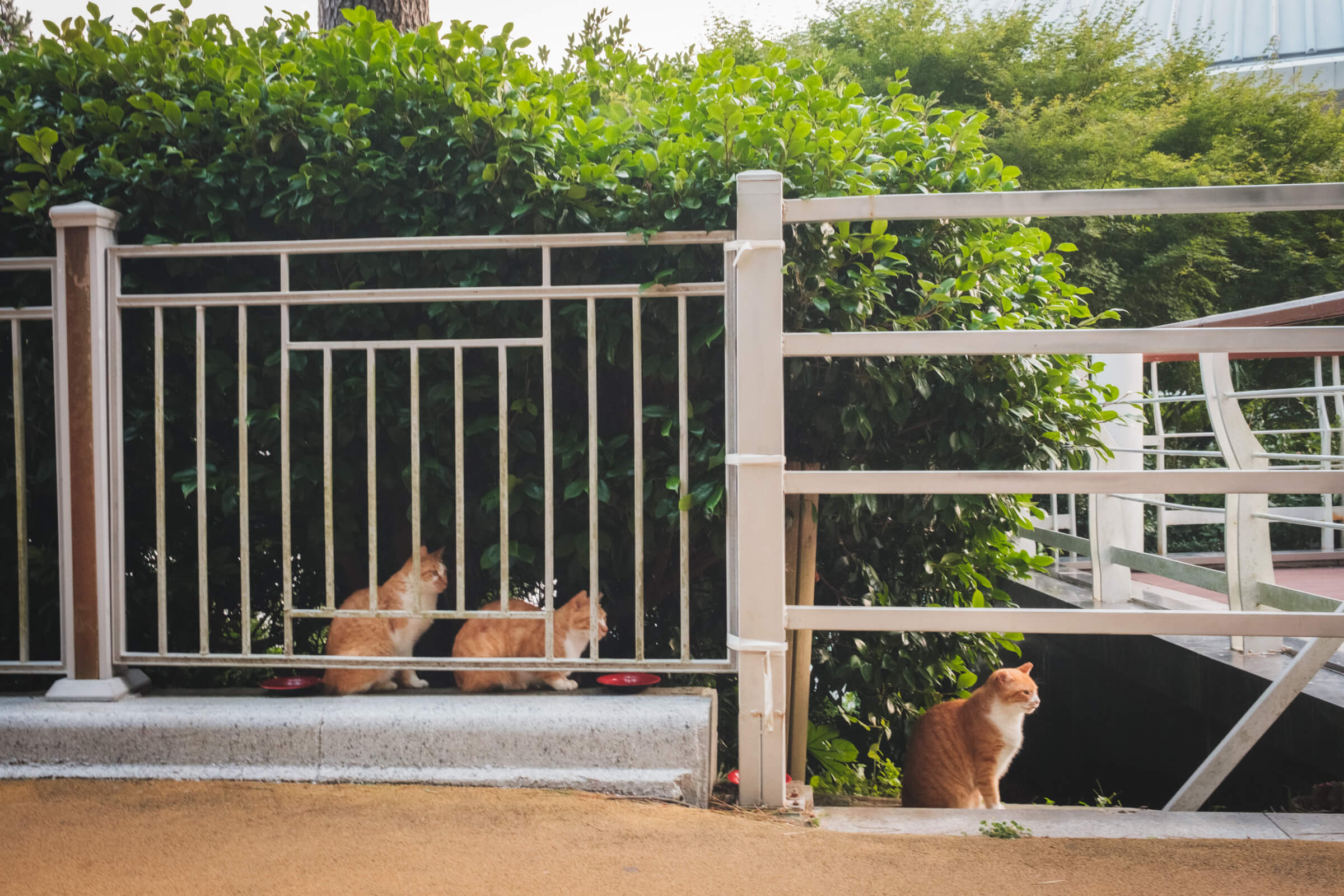
photo of 3 cats in a row
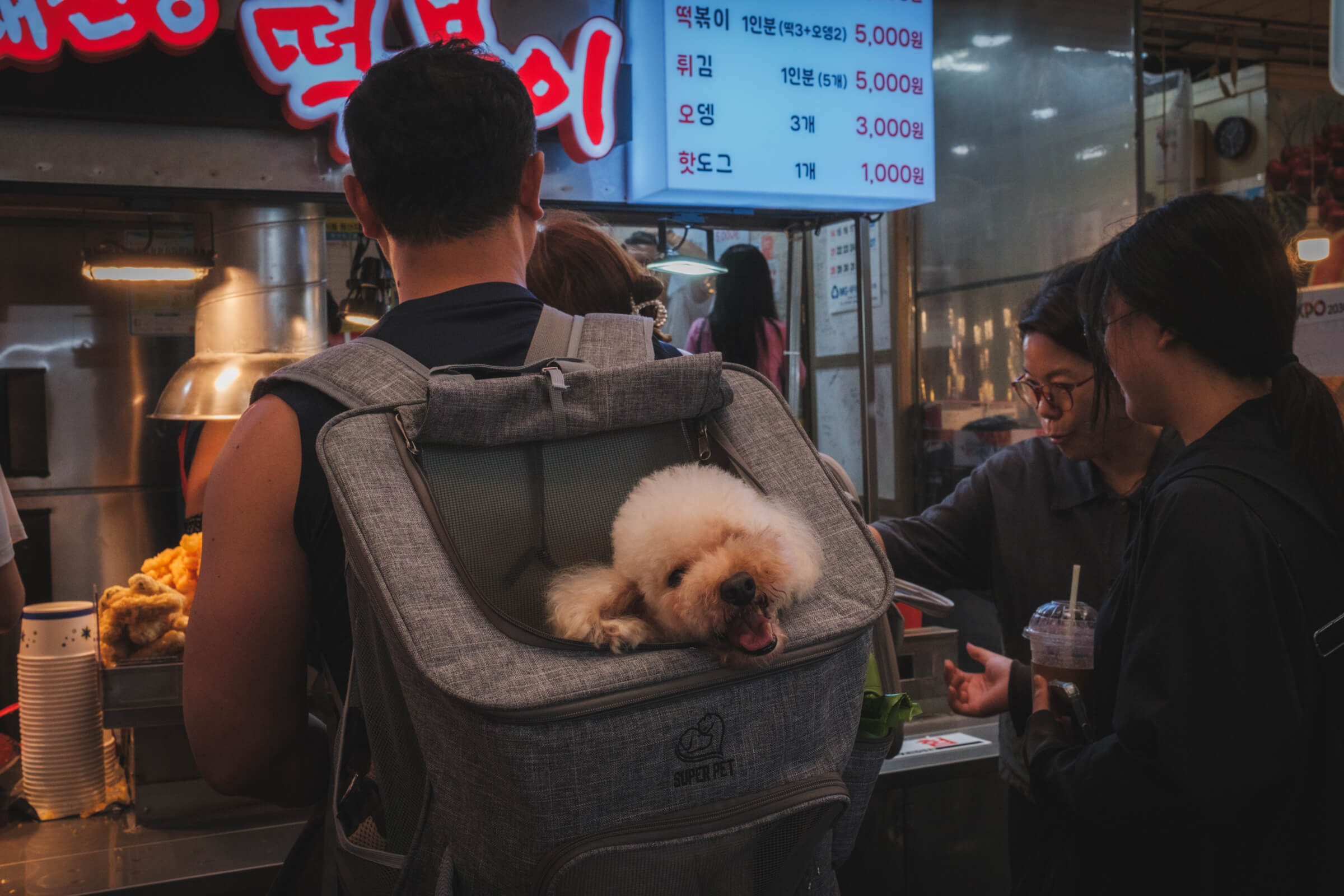
photo of a dog in a backpack carrier at a market
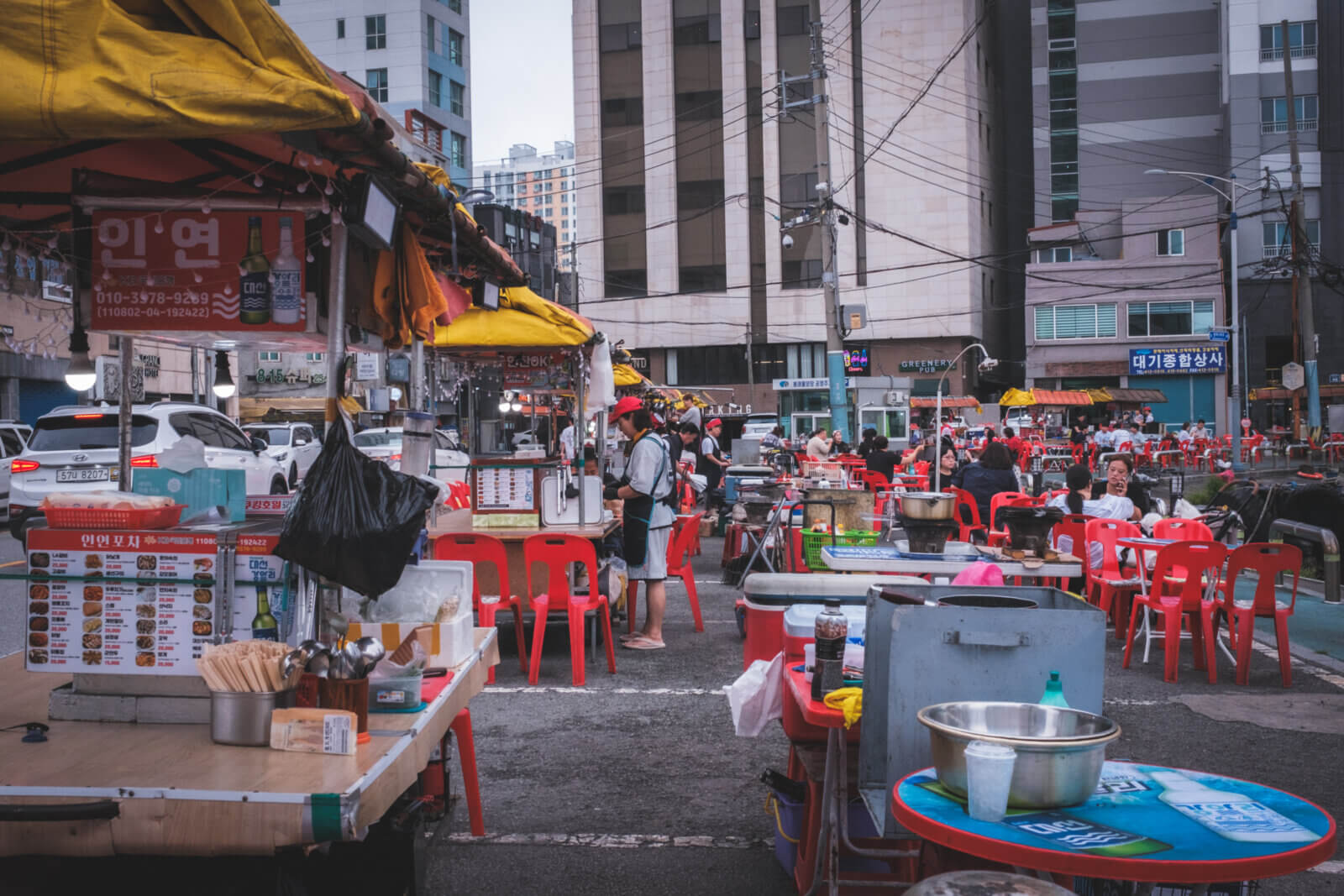
photo of pochas (street food stalls)
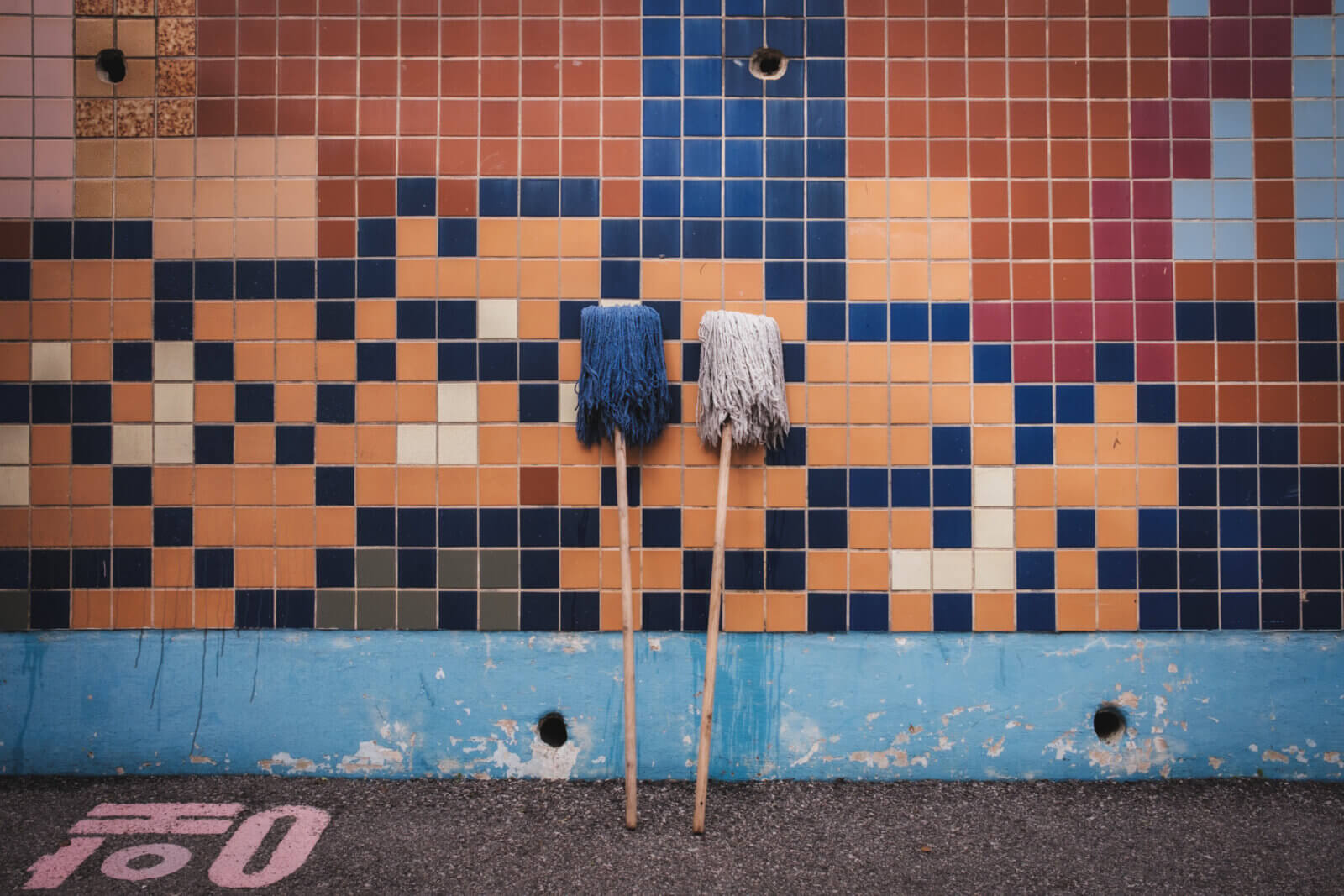
photo of two mops against a tiled background
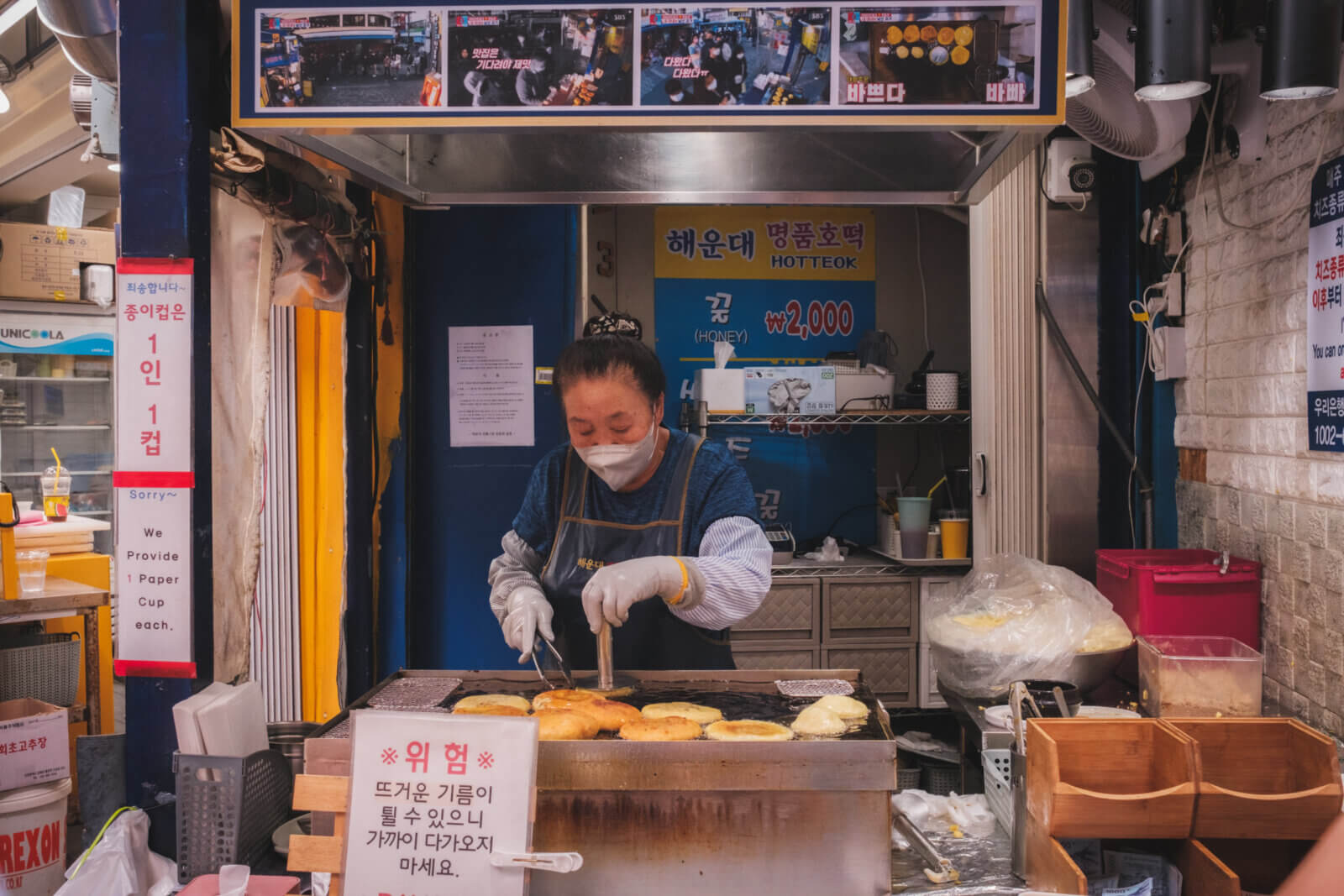
photo of a stall owner making hotteok – a type of korean dessert pancake
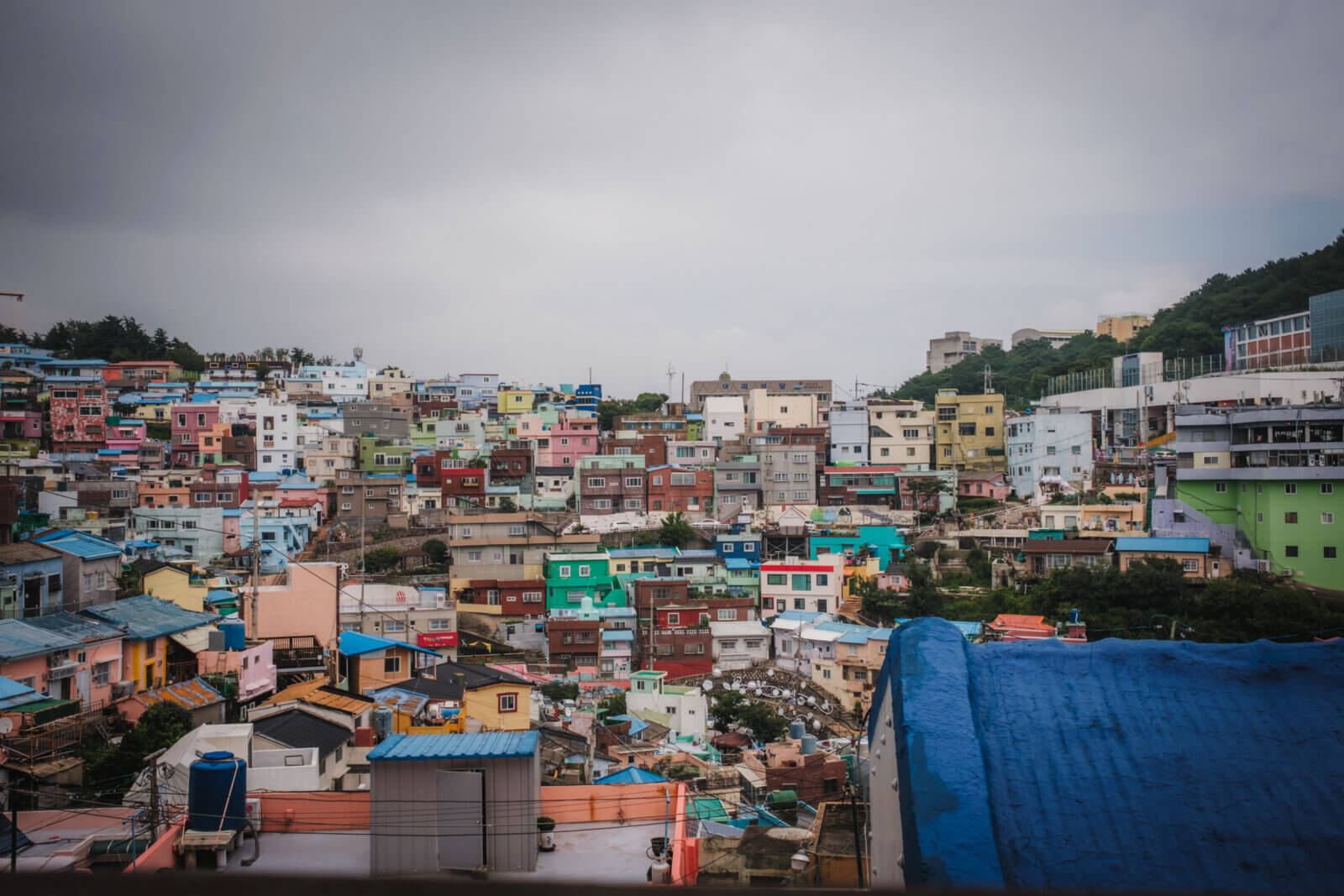
photo of gamcheon cultural village
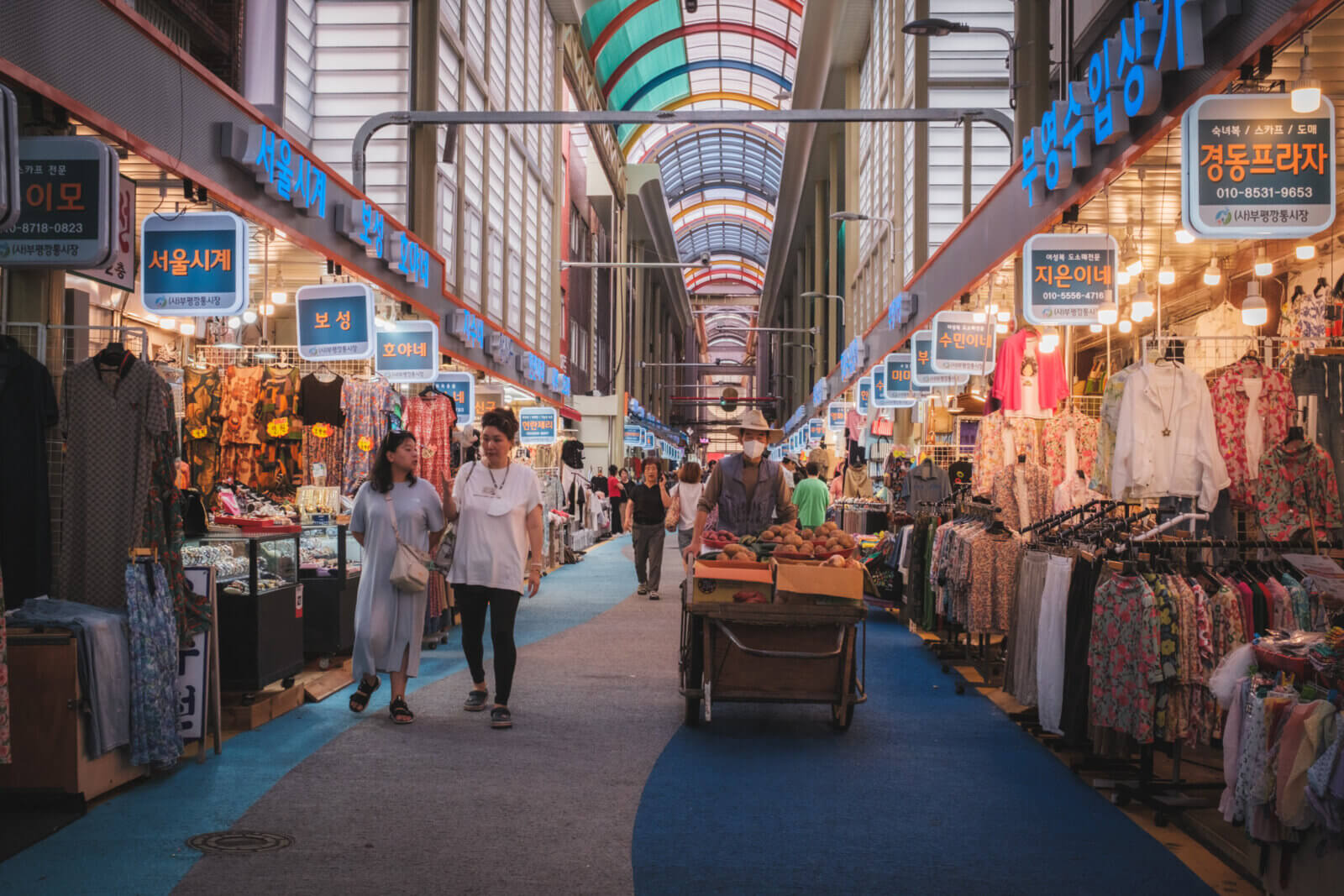
photo of a market in busan
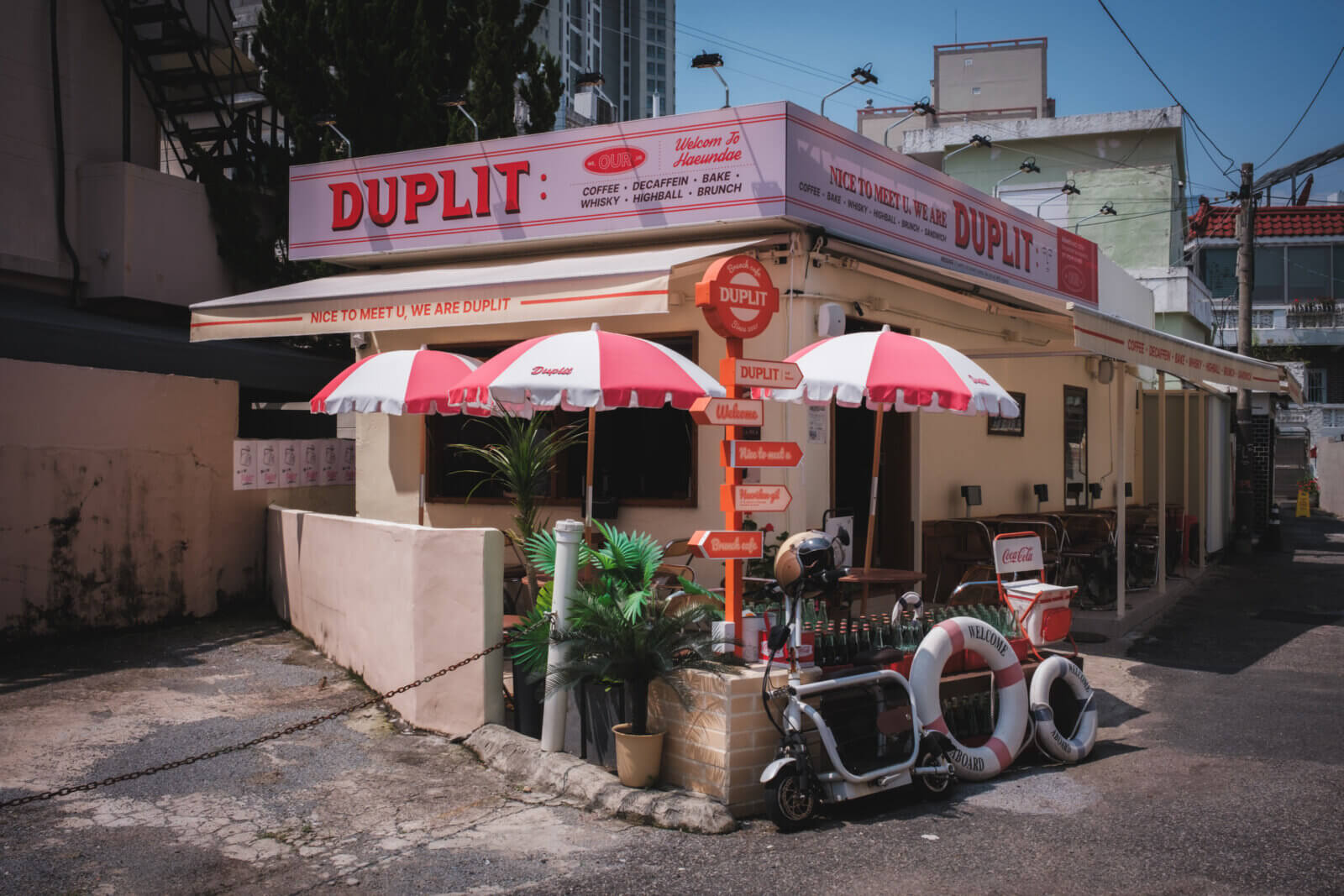
photo of Duplit, a cute cafe in busan

I wonder how can I be more intentional about the photos I’ve taken. They are after all taken with some consideration. I’ve stored them carefully like a treasured possession, but probably due to adhd it is difficult for me to remember them.

why I refuse to learn drawing properly

When some people want to learn to draw, they do it the “right” way. They take a drawing class, watch youtube videos, or buy a book – starting from the basics. I did no such thing and hopped straight to simply drawing what I see, even if the drawings turned out nothing like the actual object.

ugly drawing of soon tofu
one of my first drawings in this drawing phase – one of the many drawing phases in my life

In a way art is practicing some form of tolerance: to tolerate the gap between what we can do and the actual outcome we imagined. I have always been good at tolerating this gap when it comes to my creative practices, that is why I can keep writing these posts, and why I was a good prototyper. If we keep getting hung up on the details or keep being frustrated by not being able to achieve what we can imagine, we would go nowhere. Some people are very motivated by this frustration and use it to perfect their skills, some people will give up early in their journey because they are unable to tolerate this frustration. I belong to neither, because for some reason unclear to myself I am not motivated by perfection, neither do I get very frustrated when there is a gap. I think it is because I have a baseline apathy towards life, and it permeates everything.

I do have very low tolerance for repetition, and to get good at traditional drawing skills one must be able to tolerate drawing the same thing repeatedly. For example, one of the most basic exercises is to draw lines repetitively. Drawing involves a lot of motor skill, and that will train our hands to have the muscle memory required for drawing steady lines.

But if I were to start with drawing hundreds of the same lines repeatedly in my drawing journey, my inclination to draw anything would dissipate immediately. So it all boils down to what do I really want out of my drawing journey?


For many people they equate proficiency in art with technical skills. We are deemed to be good at drawing only if we can draw an object as realistic as the original. For me being good at art and being good at technical drawing are two different things, though it is difficult to separate them in this society. We can draw the most realistic drawing but it evokes no emotion, provoking nothing.

But I don’t aspire to be good at art either. Same like I don’t aspire to be good at writing. Of course I wasn’t always this way, but after years of thinking about what do I really want out of my own life, I have repeatedly came to the same realisation what I want is not societal-perceived greatness. What I truly want to simply to exist as the self I am. But of course who the hell I am is a deeply philosophical question that I am continually asking and do not have answers to. All I have are inclinations which I also have to discern if they are truly mine or are they part of my conditioning. Maybe there is no such thing as “truly mine” in an existence that is interdependent on everything else. Maybe we can only seek out what feels as close to our perceived nature as we can get. And that nature changes throughout time as we transform, and perhaps we have to intellectually and philosophically decide what matters to us, in order to develop our nature in that direction.

So I guess art for me, apart from being an meditation exercise, is a continuous existential search. I don’t know who I am so I am hoping my art can bring me closer. My writing serves a similar purpose. There are plenty of times when I don’t really know what I am going to write until I actually sit and write. Writing for me requires going into a light meditative state, and somehow it is able to access somewhere deeper into my consciousness to surface thoughts I am not consciously aware of. So I am learning about myself as I write, sometimes it helps to crystallise an abstract feeling.

It is similar with creating art. Once in a long while the creation exceeds my imagination. It helps that I have very low expectations. My skills are very uneven – if you can call them skills in the first place – so most of the time I have no idea how something is going to turn out. If you have a certain skill level you may roughly know what something is going to look like when you draw it. Since my skills are all over the place, the outcomes are also all over the place. Looking at my art tumblr my art has almost zero consistency, which may bother some people but it is fascinating to me.


We can’t measure or document the transformation of our inner consciousness, it is so esoteric. But making art is one way to see an inkling of it. There is an unexplainable intuitive autonomic process guiding us. To me, being formally trained impedes this. Instead of making art spontaneously, we get caught up in trying to make it “right”, whatever right means. I can be a very rigid person, so it is difficult for me to sit down and just let it flow. So every successful attempt to make art represents a successful overcoming for me, where I overcome many different and difficult parts of myself to access some deep hidden part of me. I am constantly knowing myself through my art, and it is a sort of knowing that is not crystallised like my writing, but a knowing that is primal, creative and wordless.


A lot of what I do is cerebral: writing, reading, thinking. Drawing is one of the very few things that feels non-cerebral to me. So I want to keep on doing it even though as of now I don’t actually enjoy it. In order to keep on doing it, it must remain lightweight and feel easy – something that is a de-stressing activity instead of feeling like it adds on to my chronic tension and anxiety.

I am not there yet though. It still feels daunting and difficult. But at the very least I am not making it worse by forcing some standards or conventions on myself. I hope one day it starts to feel fun and enjoyable to me. If not it is at least something that develops my capacity to be patient.


I have been on an ipad drawing phase lately:

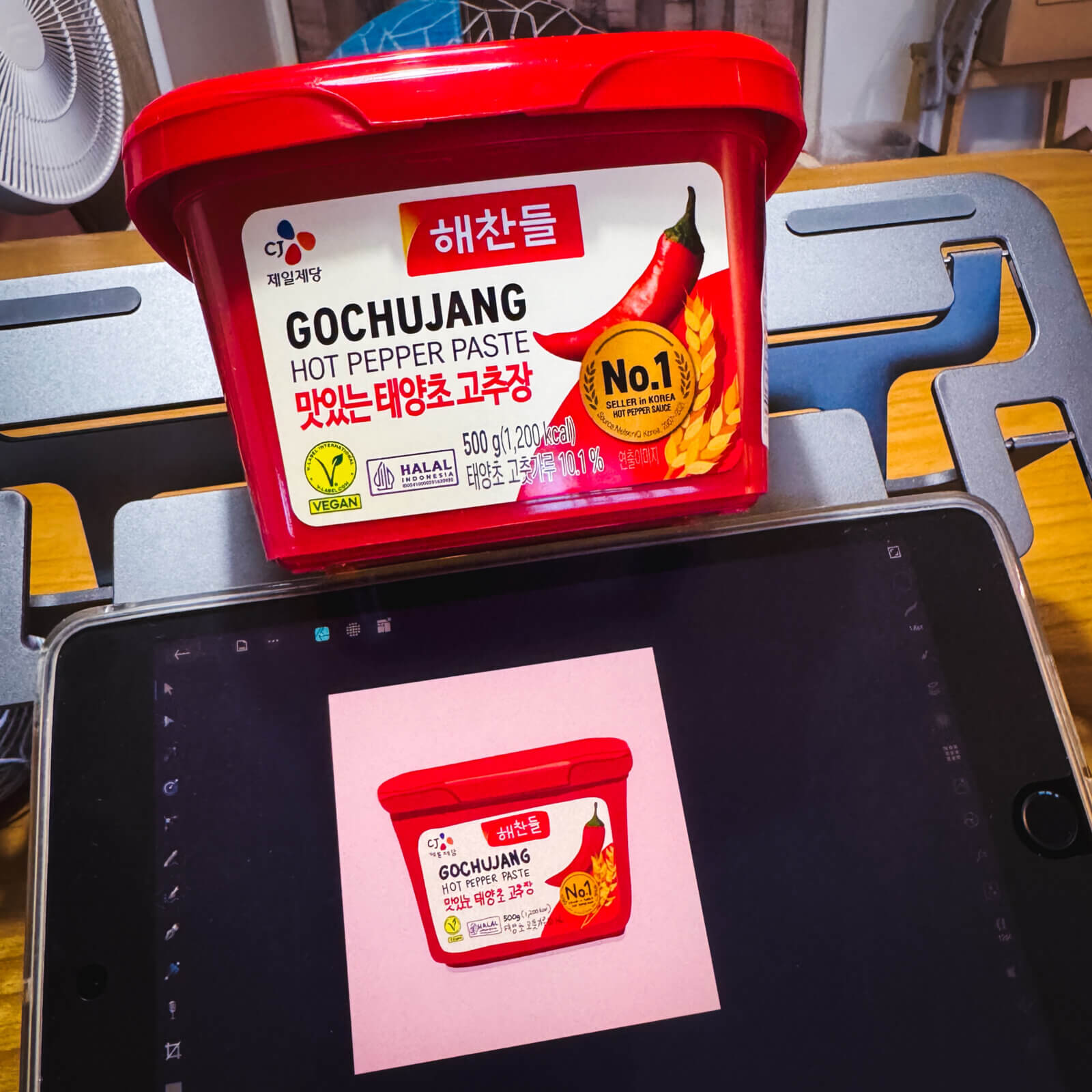
digital illustration of a gochuchang container with the actual container
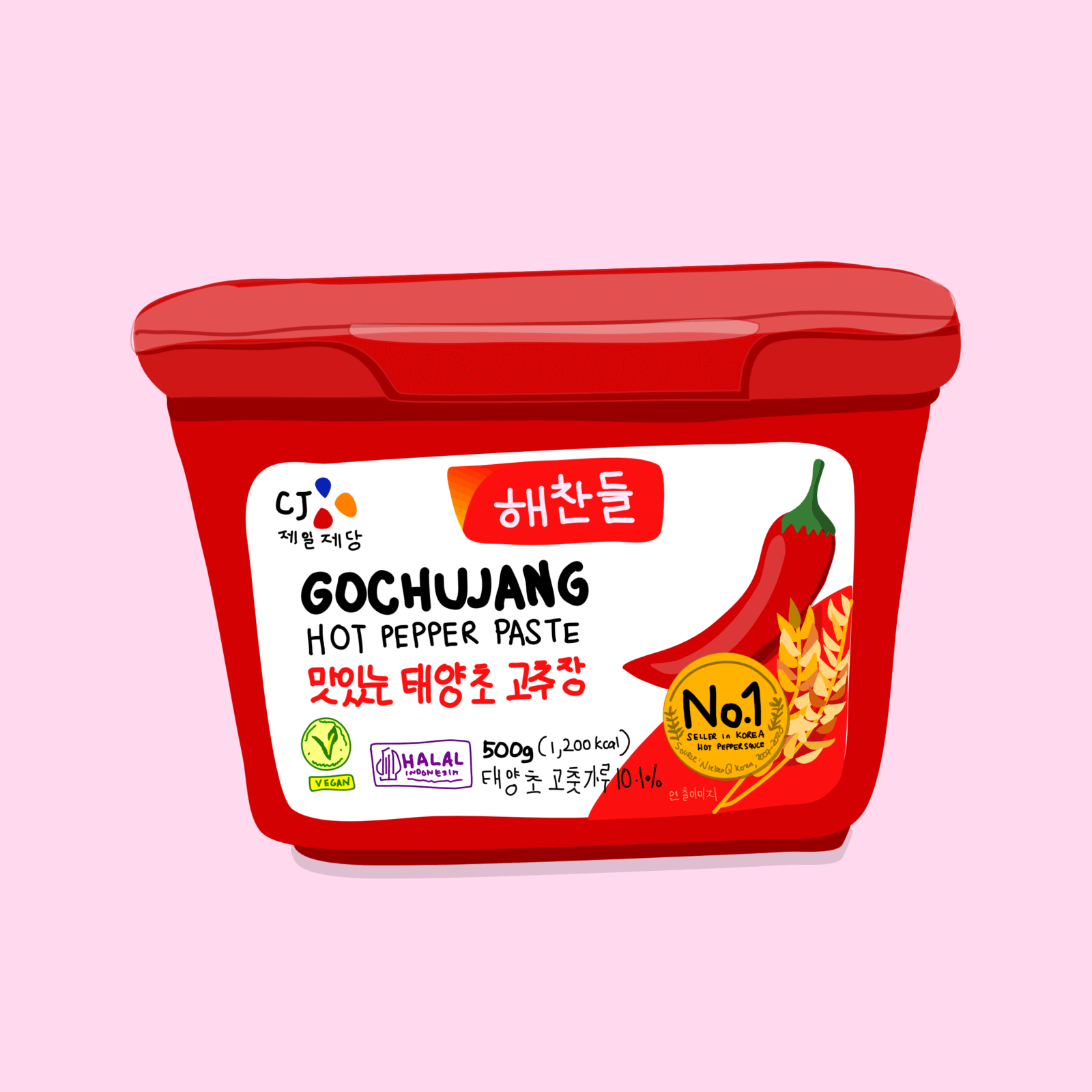
digital illustration of a gochuchang container

I did this on affinity designer, a vector-drawing program. What I like about it is that we can use the apple pencil to draw vector-based art, and it allows the manipulation of vector points like a traditional vector illustration program. So it is very forgiving: I can draw an extremely crooked line but smoothen it later by manipulating the vector points. I can also delete and redo anything I want. Colours can be reapplied infinite times, unlike watercolour. I could probably draw the above much more precisely if I wanted to, I could also use fonts instead of drawing the text, but I opted to keep it squiggly and uneven like an actual drawing.

Looking at my ipad drawing on top of this post versus the latest one, I realised I have come a long way (though it is an unfair comparison because the former is done in apple notes, which is a lot less forgiving). These are two imprints of my selves at different points in time. I have records of my selves in my writing, and then the drawings express a different representation of me.

After completing this digital drawing I realised I prefer actual paper and ink for now. I don’t like the forgiving quality of digital art – I think mistakes are part of the experience. Without the ability to rectify them I can observe the change in my drawings more. And more importantly, everything demands I look at a screen these days. I can’t bear to look at more screens.

But without going through this ipad phase, I wouldn’t know where I stand on my own preferences. But who knows? I may return to the ipad again one day, or try to do something on e-ink.

the compression of our experiences

My partner and I were both born in the early 1980s which is quite fortunate for our relationship because we can talk about some shared experiences we have had while growing up.

I consider being born in the 1980s a special time – though I am sure everybody considers their generation special – we got to live through the analog era until we are of age, yet we were young enough to grasp the opportunities of the digital age. It makes me occasionally look at the tech in my hands in wonder because I remember the old days when friends were uncontactable even if they were running late, people going overseas means an actual separation, and books were more interesting than tv. Once in a while I still feel amazed when I text my friends living thousands of miles away and they respond instantly. What a crazy thing to be able to have a real-time conversation with so much physical distance between us.


Last week I was lamenting to my partner how easily bored I get these days. I complained that Singapore – being a country 50km wide – is so small that we are deprived of road trips and micro-culture experiences, and we keep browsing the same 2-3 stationery stores. But in the next moment an interesting memory came up: as a kid I spent hours at the same stationery store every day after dinner. How did I do that, I wondered aloud to my partner. Then it hit me. We had no mobile phones back then. There wasn’t the internet to entertain me, so looking at rows of stationery was what gave me my dopamine hits.

My partner prefers audio books to reading, and unlike me she wasn’t into books as a kid. She finds browsing physical books at a store frustrating and limiting, like how can we just merely go by the spine and covers? I told her back then that was what we did. Since we didn’t have the internet we had no idea which were the well-reviewed books, so we relied heavily on the spines. I remember going to the library staring at shelves and shelves of book spines, sorted alphabetically by author’s surname. When an author was good we devoured all the books by them, because picking an unknown author was such a gamble. Looking at spines at the library still gives me a thrill now, like being at a candy store.

I also used to anticipate the release of CDs by my favourite artistes. I remember carefully unwrapping the plastic wrapper, slowly sliding out the sleeve notes and flipping them tenderly — the flip of each page felt like a surprise. I examined the credits in detail, taking note of the producer and musicians of the album. My partner was surprised when I shared this with her, because I don’t seem like I would care about such details, and words like “slow” and “careful” are not words that I would use to describe myself.

I realised the wonders of technology and progress have compressed our experiences. Now we listen to a single track available instantly on a music streaming platform. It doesn’t come with a sleeve, there is no context to the track in relation to the album — if there is even an album in the first place — I have no idea who are the producers, writers, musicians while listening because I can’t slowly touch and marvel at the sleeve as I listen, there is no sleeve that would show signs of age and tatter where some pages would show more signs of weather because I spent hours trying to memorise the lyrics. Did the album have a narrative the artiste had carefully sculpted, was there a photoshoot that was deliberately styled in accordance to the theme of the album? There is no fancy packaging, no graphic design that would stop me in my tracks, no experience that was carefully designed to delight and enchant you the moment you set your eyes on the cd at the shop.

Now everything appears in an instant, we don’t even have the anticipation and satisfaction of a large, slow download on our 14.4kbps modem anymore. There is no longer a cherishing that comes with the agony of a wait. It is a flattening and compression of a formerly multi-dimensional experience: no more smell of paper, no tactile feel of textures, no wonderment of entering a physical store, no excited conversations with the shopowner who had seen me for the thousandth time — they have seen me more than my parents and know my music/book preferences intimately. Back then we encountered the things we love with a full body experience, and now it is just a pair of eyes narrowly focused on rapidly changing pixels.

This relates to that note I wrote last week on life, novelty and addiction. It seems like there is such a thing is too much novelty. Scientifically speaking it is easily explained by neuroscience: our brains and bodies like homeostasis and don’t like too much of anything, so it downregulates our brain’s receptors to cope with it, reducing our ability to feel the same intensity with the same amount of stimuli. This is why we stop feeling the same excitement when we experience the same thing over and over again.

Everything used to be so slow and expensive — both in terms time and money — so we could only have a limited number of novel experiences in a given period. Watching movies used to be a treat, and now we are numb to the latest blockbusters. Tiktok feels way more engaging for some people rather than them sitting through a 2-hour movie. Scrolling endlessly through statuses seems more interesting than reading a 300-page book. Who wants to read long blog posts, in-depth reporting and scientific journals when we can just quickly tap through instagram stories?

Now we can have millions of novel interactions in a day. Just like that guy who busted his lifetime’s novelty budget by abusing heroin, the availability of novelty in modern times makes nothing feel novel anymore.

Strangely it took a stranger’s drug abuse story for me to truly grasp why I’m so easily bored. I have always been easily bored even as a child, but now it is much worse. Back then I could entertain myself by going to the same store, now I have to be on a plane to somewhere in order to feel something.


I am not romanticising the past in a sense that I wish that we can go back to before times. It is just thought-provoking how I am mindlessly experiencing this world through a speed and convenience that I’ve never questioned seriously. If it is easy and there, why not? It is precisely because I loved tech that I’ve only wanted to see its promise and benefits, not how it is shrinking me.

This world is still multi-dimensional but some of us only experience a very narrow part of it now. Libraries still exist for now, and we can still visit record stores and book shops. It just feels like too much work: why go to a physical location when something is just instantly available online? I forget it is not just the end-product itself I am seeking, but also the sensory pleasures and surprises that come along with acquiring it. I have also forgotten what it was like to build relationships with my neighbourhood stores. Now in my current neighbourhood, there are hardly any independent stores. Because of the inherent economics in singapore, there are only chains. If there are any remaining, they are slowly dying out.


This is not a moralistic story about how speed and tech is bad. It is about being aware of the whole spectrum of experiences we can potentially have, the richness of our environments, people and their creativity. It is okay to choose speed and convenience, as long as we know what we are giving up, and how our souls and brains are responding to it.

Having undiagnosed adhd my brain is more susceptible to feeling a deadening numbness, a numbness that sinks me into depression. To me it is a matter of fact that this is how our brains function: we need novelty to survive, and yet we can’t have too much of it in order to continue being capable of feeling it.The compression of our experiences from a full-bodied sensory experience to a flat digital download has also caused a flattening of my soul and what I am capable of appreciating.

It is a curse to be unable to appreciate things in this world. It makes my existence a dread instead of being able to experience the richness that is available around me. I am always constantly seeking what I cannot have, because I’ve lost the capacity to savour what my 10 year old self would kill to experience and have.

obsessively compulsively thinking about death, loss and existence

Some time ago while reading a blog post on autism I learnt about the concept of existential OCD (obsessive compulsive disorder):

Existential OCD involves intrusive, repetitive thinking about questions which cannot possibly be answered, and which may be philosophical or frightening in nature, or both. The questions usually revolve around the meaning, purpose, or reality of life, or the existence of the universe or even one’s own existence. These same questions might come up in a university philosophy or physics class.  However, most people can leave such classes or read about these topics and move on to other thoughts afterwards. Similar to other forms of OCD, individuals with Existential OCD can’t just drop these questions. – source

Then I read a graphic novel on OCD and I started wondering if I have OCD, on top of autism and adhd. My ongoing problem is that all my symptoms – adhd, autism, ocd – are relatively mild. They do not prevent me from functioning in my daily life, but everything accumulates into a lifelong sadness and fatigue. It is very exhausting to feel like I have to fight against my brain every moment just to live a normal-ish life.


I am increasingly at that age where people around me will start to get sick, and some will pass on from this world. I feel a deep sense of dread whenever I feel the prolonged vibration of my devices, indicating an incoming phone call. These days, even text message notifications give me a mini-jolt. I remember the feelings I have felt when I had received news of people passing away or being hospitalised.

Since terrible things can happen in the very next moment or ten years later, this is a torturing way to live life. It is not like I consciously fret every single moment, but there is a chronic background anxiety that haunts me everywhere I go. Sometimes especially before I fall asleep, the thoughts start to take a life of its own and become truly intrusive. It is as though the already weak psychic wall I have starts to lose its strength once my brain starts blurring the lines between the conscious and unconscious.


Buddhist monastics and the stoics are known to contemplate and meditate about death regularly:

The Stoic philosopher Epictetus told his students that when you kiss your child goodnight, you should remind yourself that your child could die tomorrow. – source

It makes me wonder if people who voluntarily become monastics or philosophers have some form of existential OCD. To be so aware of the potential of impending loss can be a very depressing existence, so perhaps the only way out is to stare at it in its face by consciously contemplating about it and making it a regular practice, rather than letting it haunt us into shrinking our lives. I suppose it is like self-initiated exposure therapy.


I have allowed these intrusive thoughts and feelings to paralyse me for so much of my life, but once in a while I muster enough psychological strength to rebel against it by consciously living a fuller life than I would have had. This blog may (or may not idk) perpetuate the impression that I do plenty of things, but my default state is that I am often too tired to feel like doing anything. Living life itself is a constant battle for me. I would just lie horizontal the entire day if I gave in to my feelings. I look at my partner and she is driven by her innate life force in her. To her, stopping is an unnatural state. She has so many things she wants to do. I have nothing I truly want to do.

But it is tiring to keep rebelling against one’s self. Sometimes I burn out trying to shake myself out of my deadened existence. There is some magic dance between letting myself be, and shaking myself up. I have not learnt that dance yet.


Can I train the brain like I train my strength? The signals of the physical body is obvious. We can progressively overload our muscles close to failure to gain strength and muscle. But the signalling of the brain is a lot more obscure to me. I can only rely on qualitative measures like my journalling, and even that requires a conscious effort to review them.

Buddhism teaches that there can be a sort of refuge to be found when one leans into impermanence instead of running away from it. as the There is nothing permanent except change, they say. If we anticipate change it is less shocking when it happens, and we may be more ready to encounter it. Sometimes in our effort to escape pain we end up escaping life itself. Can I become a person who is able to endure the suffering that comes with loss?


I often wonder what was it like to live at a time when there was mass violence like the world wars. Do people get desensitised? Or do they live in a numbed, deadened state like me? Or do some attempt to find joy even in the harshest of times?

I think of stories of ancient taoist philosophers renunciating the world, going into the deep mountains to become hermits. Did they find peace by choosing not to witness the violence and politics of their times?


It is ironic that I often think about ending my own existence yet I detest the idea of wasting my life. But I don’t know what it means to not waste my life. Busy-ness can be a kind of wasting too, just like sitting in silence can be enriching. Is it even possible to live life fully, as though it is a container that can be stuffed full? Or is life inherently full of unavoidable regrets, and the key to fully live is to bravely choose to trudge ahead despite knowing there will be regrets, to do our best even if our best inevitably leads to a ton of mistakes? The only way to not make mistakes in life is not to take risks and not to attempt new things, which is also the fastest way to accumulate regrets.

I am skeptical that my brain can be rewired to perceive life differently. But maybe I can perceive my mis-wired brain differently. Even if I know it could be ultimately a futile exercise I must learn to live as though I believe otherwise, just like they say even if life has no meaning we have to live as though it has one.

If eradicating the intrusion of my thoughts is impossible, can I learn to be unbothered by them one day? If I no longer fear the idea of death, does that make me less human? Can I live my life with as much joy as there is suffering? And if there is not joy that I can experience, how about a sense of depth and expansion?

I think I am trapped by some conventional idea of happiness or wellness. But it takes experience and skill to see that we are all different, and what looks like a thriving life for me may be something I am still unable to recognise or imagine.

I wonder if I’ll be able to find the answers I need before it is too late. Or to be able to accept that maybe my life is simply an ongoing search and there may not be answers waiting at the end. That even if I am permanently dysfunctional in some forms, I can learn to appreciate the healthy parts of me. Or that I finally learn to accept my chronically fatigued state of existence, to see that just to co-exist with myself and stay alive is the work, instead of chronically judging myself for always not being and doing enough.


Reading my past journal entries yesterday I came across some notes about Winnicott. He believed that spontaneity is an outcome when one is healthy. I am seldom spontaneous, and every act is a prolonged inner persuasion. There is such a thing as trying too hard, and sometimes it backfires on me when I try to compel myself too much.

But I think for people like me spontaneity can only arise after being cultivated by a practice. It is like the formation of a new habit. It is difficult at first but once we start getting used to it, it becomes goes on auto-pilot. So I nudge myself into doing things even though I don’t feel like it, and each time I have an intrusive thought I try to counter it with a different chosen thought of my own, hoping that one day some of these will become second nature to me. There are many things I used to be so afraid of but now I am no longer afraid of them. But the fear of death and loss seems unconquerable.

I guess I don’t have to conquer these fears, but gently allow them to sit alongside my self. Maybe instead of haunting me into shrinking they will simply become part of me. Like a person who can see ghosts no longer fear them because they are experienced as part of the environment.

Is this wishful thinking? But hope and wishes keep us sane and alive.


note: I often wonder what is it like for a third-party to read my posts. Do they sound like they are rambling incoherently? Are my thoughts convoluted and nonsensical? I’m just glad there is a space for me to express these winding thoughts that go nowhere in my mind, at least now there is somewhere for them to live. This is just a tiny slice of my mind: imagine being surrounded by these thoughts every moment of my life, and they are already the gentler ones, having gone through the process of being translated into the written form. Sometimes they exist as a ball of dreadful and anxious feelings – I guess that is why I have to write them out, if not they will continue to exist as unspecified balls of weight swirling around me. Writing this is cathartic for me, even if just for a while before they start forming and growing again. Like dust balls.

At least the obsessive compulsion outputs itself in words.

the answer I must seek

My partner pitter patters around the house constantly, always looking for something to do, always scheming up some new creative project of hers. Being with her is an ongoing lesson and reminder how someone else can operate on a totally different mental sphere. Without her, I may be tempted to think that most people have energy, attention and direction issues like me.

After 43 years of life, I have changed so much that my younger self wouldn’t be able to recognise my current self if she time-travelled to the future. But there are parts of me that feels like the same dark despairing pit that has existed since the beginning of my time. It is difficult for me to imagine a brighter future for myself – putting aside external conditions like the ongoing wars, pandemic and climate change – I feel like if my mind is so used to operating in a certain mode with her wiring so deep and ingrained, it just seems impossible that I can become a different person. I guess I just want a less torturing relationship with life, because trying to manage that every single moment is very exhausting.

Perhaps that is why I like exercising. To an extent the body ignores the pessimism and negative conditions of the mind and does its own thing. Put in the stimuli and the body responds. When I run regularly running becomes more and more effortless and almost pleasurable. It doesn’t care if I think if the world is going to end, or that humans suck or that I suck. My body and muscles have their own learning memory, and it bypasses all the gatekeeping my mind likes to do.

Strength training is even more rewarding. It seems difficult to believe that every week I making some new progress on the weights. When I first started, leg-pressing 20kg gave me DOMS for at least 4 days, and now I can more than twice of that almost effortlessly. It is amazing my tiny fragile weak body can still have its own growth spurt even in my 40s. I have never imagined I would ever think of myself as a strong person. Through weights I can escape the fragility of my mind and at least work on the physical strength of my body. Perhaps one day they will converge in some way.


My other super power is that I can easily go 16-20 hours without eating. Probably longer if I wanted to. Hunger is no longer as disturbing as before. I found myself wishing I could do something similar for my mind – to somewhat ignore the negative patterns my mind is making for 16-20 hours. That would be such a welcome break for me. I often joke with my partner that I wish she can periodically shut me down for days so I can take a break from myself.

Some days are terrible. Even soothing words from my partner can no longer console me. Both her and I can only watch helplessly as I hurt. Yes I am watching too. A part of me witnesses like a third-party observer: conscious that I am spiralling again and it is a state I do not want to be in, and yet there is nothing I can do about it. But these days are getting fewer as I get older. Not because I am getting better, but rather numbness has taken over. Perhaps the capacity to hurt is a good thing, to signal that I am still alive. The numbness is deadening.

Once in a while I make a concerted struggle. I post a photo of something beautiful, or I make an ugly drawing. It is not inspiration that drives me, but desperation. I am hoping to feel a spark that never comes.


I am endlessly intrigued by the concept of internal transformation. I have spent so much of my life mulling over insignificant things, only to wake up one day discovering that they do not matter anymore. What flips that switch? Is there a recipe or a playbook?

I swing between accepting myself for who I am, and rebelling against her. Alternating between self-compassion and self-hatred. Sometimes it is the acceptance that provokes change, other times trying to do something radically different works. The psyche is a mystery – I am often perplexed at myself.

I do go through periods of optimism – again I am unsure what truly triggers them. Then all of a sudden I seem to be back at square one. Am I really back at square one or is my baseline shifting ever so subtly that I can’t have an accurate gauge? This is why I journal frantically, hoping one day my future self will be rewarded with an unexpected shift in my consciousness — only detectable because I recorded it. Day to day, it doesn’t feel like much has changed. It is difficult not to feel despair when it feels like I am trapped in the same invisible prison, unaware that in objective reality my prison has gradually transformed. Sometimes it has grown wider, sometimes deeper, sometimes the shape has morphed, sometimes the density, the colours, the quality. Other times I feel like our subconscious rewards us for achieving personal breakthroughs by giving us more complex, deeper issues to work through. This is why it feels like it is never-ending. Is this optimism or pessimism? To believe that we are constantly thrown harder challenges to overcome, or that we can never be free?


The other day I read about a Korean philosopher who lives in Germany. According to him, he does nothing the entire day, but he writes like 3 sentences:

Professor Byung-Chul Han is a 64-year-old man who lives life backwards. He’s awake when people are sleeping, and goes to bed when others are starting to work. A proudly lazy thinker, he writes just three sentences a day. He spends most of his hours caring for his plants and playing pieces by Bach and Schumann on his Steinway & Sons grand piano. For him, these are the things that truly matter in life.

source

That is enough for him to be prolific, having published over 30 books. He seems oddly at ease with himself, not entangled with the cult of productivity-associated self-worth. I wonder if such an existence is possible for me?

Maybe one can feel truly fulfilled writing just 3 sentences a day, they would be better off than ends up having blank-page syndrome because the thought of writing 1,000 words seem too daunting.

The ability to manage one’s mind to the point of ease and fulfilment seems very elusive, especially because we are a society that has been so conditioned to feel like we always have to be doing more. I ought to give myself a pat on the back for everything I have tried to do for myself so far, but what fills me up every day is a chronic saddening sense that I am wasting my existence.

The thing is, I know. I know that I cannot trust my feelings, because they are an outcome of many years of fatigue, heartbreak and disappointment. Yet some of them are valid too, because living in this world is frankly too exhausting for me. I think the only way to thrive is to deny and ignore, and I can do neither. It almost feels wrong to me to try to be happier in a world like this: a world where so many are suffering, and so many are causing others to suffer.

Maybe what I should seek then is not happiness or even fulfilment. It seems unrealistic to me to feel happiness or fulfilled in a world that is causing so much pain. All I can ask for, is a profound acceptance.

In these conditions, what is it that I can realistically expect from myself and from the world? This is the answer I must seek.

my multi-decade journey with migraines

Writing some of my recent posts made me reflect on how far I’ve come with regards to my chronic migraines so far, so I thought it’ll be fun (to nobody except myself) to document my ongoing journey. Perhaps it will be helpful to someone out there.

timeline

prior to 2007

I remember having some migraines during my teenage years and 20s, but they were quickly resolved by a night’s sleep or aborted by NSAIDs. At some point they stopped working, which only now I am grateful for because I didn’t know there can be serious side effects from the long-term use of NSAIDs.

2007 – 2011: the beginning years of chronic migraines

Sometime in 2007 I went from working as a full-time designer to freelancing. With more freedom in making my own schedule I started to gravitate towards sleeping late hours. At my worst I was sleeping at 8am to late afternoon. I guess on hindsight it wasn’t very surprising that I developed chronic insomnia and migraines at this point. Back then I wasn’t aware of health in general. You could even say I was anti-health – I tend to zone out when I encounter health-conscious people. I also didn’t know the importance of sleep or the circadian rhythm.

My migraines are debilitating: once they occur I would feel like somebody is carving the insides of my head with a knife. They are accompanied with nausea and fatigue. Some people with headaches can get on with life, but migraines are not headaches. I wouldn’t be able to move or get out of bed, and painkillers would not work.

jan 2008

First mention of migraine on twitter. By this time I was probably having migraines for a long while. I would continue to have them regularly until 2011.

dec 2010

First mention of seeing a traditional chinese (TCM) medicine doctor for migraine.

2011-2015: the north america years

I experienced the longest migraine remission over these years. A large part of it was the euphoria of being in a completely different world from the one I was born in. I guess it allowed me to escape a lot of the unpleasant emotions I associate with Singapore and the people here.

jul – dec 2011: first visit to SF/Hawaii fixed my sleep permanently, and experienced my first remission

I had chronic insomnia for years before this trip, but visiting the US did a major reset to my body clock and I started waking up early in the morning from then, and this miraculous effect actually lasted till now. I tasted the sweetness of deep restful sleep, and somehow it had gotten into my head that I needed to have strict sleep hygiene – sleeping at the same time every day – in order to avoid insomnia. This is also the first time since 2007 I stopped having migraines. It was so strange I couldn’t believe it at first.

I unexpectedly found a job in SF, and spent a couple of months building a prototype while in Hawaii.

feb 2012 – july 2012: Vancouver

I was in work visa purgatory so I went to Vancouver for 6 months to be on the same timezone with my team. I remember having one major migraine attack there, out of desperation I went to see a random tcm physician in Chinatown. He gave me a bunch of herbs which I had to boil in a claypot until one bowl of soup remained. Again, tcm saved the day.

dec 2012: officially moved to SF for work

Probably the happiest time of my life, even though on hindsight it was because I had very rose-tinted glasses on. Migraines in remission until…

jan 2015: first signs of trouble again

By this time I have moved to SF for a couple of years. Hardly had migraines until it was mentioned again on this date. On top of migraines I also started having very painful dry eyes, my migraines and dry eyes seem to trigger each other. I remember having flu around this time, and now that we are starting to learn the long-term impact of viruses, I wonder if what I had back then was actually the start of long-flu. I was also undergoing a ton of emotional and mental stress, due to my grandmother passing away late 2014, and work.

sep 2015: moved back to Singapore

Unable to work anymore due to chronic migraines and painful eyes, so I made the decision to move back to Singapore. It wasn’t like I had a real choice. The whole experience triggered a major existential crisis. My plan was to take a sabbatical for a year, before making new plans.

2016 – 2017: initial healing years

I rented a room in an apartment building that had a pool, so I started swimming regularly. This habit lasted a couple of years until I no longer had access to a pool. I also started to visit my family tcm physician for my dry eyes and chronic migraine. The dry eyes did progressively get better over time, and the migraines lessened in frequency, but I would still get them at least 2-3 times a month (versus every day).

I did see an eye specialist upon my return, they found out that the oil glands in my eyes have stopped functioning and I cannot produce much oil or tears. They couldn’t do anything for me except telling me to use eye drops and warm compresses. I am glad I didn’t believe them that it was incurable.

may 2016

Started a relationship with my partner. Being with my partner gave me a sense of psychological safety I had never experienced in my life. This contributed to a ton of inner healing.

late 2016 to early 2017: last design job

I seemed to have gotten a lot better, so I consulted part-time with a government agency. It was then which made me realise I would never go back to design as a career. I could viscerally feel the stress it was causing me. I would attend meetings, then lie flat on the floor for hours because I was so fatigued. Back in the US I was chronically stressed so I didn’t feel the stress, after a period of not working I could acutely feel it.

june 2017: my first apple watch

I got my first apple watch to help me with self-quantification. I am not new to self-quantifying, having started off with a nike fuel band, before trying the fitbit, had the basis watch, then pebble watches. But those were useful for tracking mostly exercise calories burnt. The apple watch started my journey with heart-rate monitoring.

august 2017: started taking coq10

CoQ10 is the first supplement I started to take regularly, and I still take it now. I can’t remember how, but I must have read some research on how coq10 can reduce migraines.

2018-2019: beginning my relationship with exercise

I had issues with exercising my entire life, and my attempts would go in spurts but it would never be regular until my swimming routine. I lost access to a pool in 2018, so I had to find other sources of activity. This is the beginning of my actual health journey, not just in terms of movement, but truly understanding the mechanics behind health.

After giving myself ample of time to heal since leaving SF in 2015, my migraines were still not going away. I realised rest alone is not enough.

jan 2018: started taking magnesium

I probably read this somewhere too. Do you know magnesium is required for 300+ biochemical reactions in our body? It is also impossible to eat enough in our diets these days because of soil depletion. Of all my supplements magnesium is the only non-negotiable one.

jun 2018: started a running streak

After several unsuccessful attempts to run over the years, I finally managed to start running by not breaking a daily streak. I ran daily for almost 3 months before it was interrupted by a trip. I did not know of zone 2 or anything about running so I was basically running haphazardly.

aug 2018: started glucose monitoring

Through some research I found out that migraines can be caused by oxidative stress, and high blood glucose is one of the main culprits, so I started glucose monitoring. However, I had a stop-start relationship with it until sometime in 2022, and since then I have just been monitoring daily.

feb 2019: first record of intermittent fasting

…in my zero app so I guess I started taking fasting seriously around this time to improve my insulin sensitivity. Like most of my other interventions it was on and off for a while. But for the past few years I’ve been fasting 14:10 minimally and 16:8 on average, occasionally making exceptions for travel or special occasions. My heart rate during sleep gets elevated for the whole night if I eat too late, say after 7pm. Most days my last meal occur around 4pm.

april 2019: started wearing the oura ring

After reaching a plateau with my migraine recovery and also realising I am not attuned to my body, I got the oura ring to see if I can detect periods of invisible stress. I probably realised belatedly that exercising every day is not a good idea. It was probably (a lot of probablys because I cannot fully recall) because of the oura ring that I was introduced to the concept of heart rate variability and how it relates to stress.

may 2019: food delivery

I wanted to find something that would keep me active, so I started delivering food. I started as a walker, and then transitioned to a bicycle. I acquired a secondhand tern foldie, my first bicycle after leaving SF (where I had a bike I didn’t ride much).

feb 2020: bought my first road bike

Little did I know bicycles would become expensive and difficult to buy in the next few months, so I was very lucky to get one right before shit happened.

april 2020: started to measure morning hrv

Oura measures continuous overnight hrv during sleep, but I learnt that measuring hrv upon waking up in a sitting position is a better indicator of stress. I use this gauge if I should exercise or go into recovery mode.

2020 – 2022: the cycling years

Singapore had full and semi lockdowns for almost 2 years, so I cycled almost every day to keep myself sane. When omicron appeared on the scene we elected to continue isolating until late 2022.

aug 2020: the stanton protocol

someone on reddit introduced Angela Stanton’s work on migraines, so I bought her ebook and joined her facebook group. This is the first time I came across electrolyte imbalance as a migraine hypothesis. Her protocol required significant changes to diet so I wouldn’t implement her protocol till much later.

2022 – now: finally signs of recovery

After suffering for 7 years non-stop my migraines reduced its frequency dramatically. I guess I was finally desperate enough to try the Stanton protocol. I wasn’t disciplined enough to do it fully, but I think 80% adherence seemed to be good enough to have a significant effect.

2022: home cooking for almost a year

my partner suffered from MCAS symptoms, so I had to cook for her. In turn I started cooking for myself too. Ate a predominantly low carb diet and tried to implement the Stanton migraine protocol during this period. As a result, I experienced significantly less migraines.

feb 2022: menstrual cycle spreadsheet

Created a giant spreadsheet that has the days of my cycle correlated to biometrics from oura etc.

mar 2022: started taking allithiamine regularly

Through Angela Stanton’s work I learnt the importance of vitamin B1 with regards to our metabolism and how that relates to migraines, so I started taking a allithaimine, the more bioavailable form of thaimine (vitamin B1).

may 2022: wore my first continuous glucose monitor

Keen to know how my blood glucose behaves the entire day and how it responds to certain food, I wore my first cgm.

jul 2022: started seeing current tcm physician regularly

The remaining of my migraines seemed to be triggered by my monthly menstrual cycle, so I started seeing a tcm physician specialising in female hormone disorders at my neighbourhood. This further reduced the frequency and intensity of my migraines.

Traditional chinese medicine takes a holistic view of health and attempts to correct the imbalances of the body instead of simply addressing the symptoms. We could see it as someone personalising a set of herbs for me every visit depending on my condition.

I was somewhat getting better and was probably ready to “graduate” from her care early last year (mar 2023) until I got infected with covid, so that set back my overall health and fitness, hence I am still seeing her now. It supports quicker recovery from exercise too, so my plan is to improve my overall fitness while being on a tcm regime until my body gets strong enough. Unless I reinfected again, I guess.

oct 2022: zone 2

Somewhen around this time I connected the dots between oxidative stress, migraines and mitochondrial health, so with the support of tcm I started zone 2 running again in hopes of improving my mitochondrial health.

april 2023: first covid infection

Got infected with covid for the first time. I was very afraid that my migraines would worsen post-covid but they actually lessened. I was on a zero-carb diet during my entire infection till I tested negative, so I wondered if being in deep ketosis – I never had so much ketones in my life prior (3+ mmol) – triggered some neurological healing at some level. Ketones are known to repair myelin and other neurological damage, so who knows?

However in exchange I now have mild dysautonomia. Previously electrolyte imbalances would cause migraines for me, but now they result in elevated heart rate. I seem to be gradually getting better as long as I continue to be vigilant on the level of oxidative stress I am experiencing. I guess I am not truly over it if stress triggers this again.

Migraines are hypothesised to be a protective mechanism – in the face of overwhelming oxidative stress it forces us to rest and recover – so I am not entirely sure if having less migraines now is an entirely good thing. Did covid make me lost my protective mechanism?

oct 2023: started strength training for the first time

I’ve always wanted to strength train but it felt too intimidating. I finally gave it a go and hired a personal trainer just to get me started.

Apart from my desire to get simply stronger, strength training prevents muscle loss from ageing and grows muscles, so it improves metabolism.

now

The last time I had pain in my head as documented was 4th of June this year, which makes it almost 3 months ago. However it did not progress to a full blown migraine and resolved itself overnight. Usually it lasts for more than 3 days.


concluding reflections

the cause and resolution of migraines

After all the research and interventions, I personally conclude that the main cause of migraines is oxidative stress. Since the producers of oxidative stress is mitochondria, mitochondrial health is the key to improving migraines.

This explains why the onset of chronic migraines usually starts when there is a drop-off in our mitochondrial health due to ageing, hormonal changes, stress – or all of the above. Since what we eat directly affects how well our mitochondria processes energy, managing diet will be one of the main factors of improvement. Exercise – both strength and endurance – will increase the capacity of what our mitochondria can tolerate in terms of food and day-to-day stressors. Relaxation techniques would probably help too, because any kind of stress contributes to oxidative stress.

Our body has very complex biochemical reactions according to what we encounter and consume. I am only scratching the surface. This could be an entire essay, if not book.

how and why I care so much about my health now

New readers or people who are new to me may think I am obsessive with self-quantifying and how I manage my health. But looking at the timeline it was actually cumulative over many years. I was pretty abusive to my own body and didn’t care about it until it was too late. The interventions I have now is a result of self-experimenting and self-directed research that occurred only because I had nowhere else to go. If my migraines spontaneously resolved after a period of rest I wouldn’t be micro-managing my health now.

I am actually grateful for it in some ways (and resentful in others), because of it I begrudgingly learnt to take care of my body in my late 30s, which is early enough to prevent a lot of the metabolic dysfunction – high blood pressure, diabetes, pcos etc – I would have now if not for my changed lifestyle.

Many people accept symptoms like high blood pressure as part and parcel of ageing. I don’t think it has to be. There are also people who simply believe that they are not “fitness” people and hence they don’t even bother to try.

I was a literal sloth for at least the first 3 decades of my life. I hardly moved. Yes perhaps if not for my migraines I would probably still be a sloth. But now I cannot unknow what I’ve learnt. People associate activity with managing weight, but it is so much more than that. Movement grows our brains and those little creatures that produce energy in our body. The problem with age is that our health will decline if we do nothing about it, because the body needs the correct signalling and stimuli to maintain its health. Yes, you read that correctly: not even to improve, just merely maintaining.

On hindsight my chronic migraines are an outcome of having terrible health for many years, and if I didn’t take concrete steps to address it, it would probably have profound consequences. Age and biology does not let us get away (perhaps a minority can idk). I couldn’t sleep well, ate like shit, ate at 3am, didn’t move, stared at screens all day, endured a huge ton of psychological stress, etc. Knowing what I know now, it is actually a miracle and shows how much the body can actually tolerate that I didn’t implode sooner.

why I wrote this boring post

I know most people wouldn’t read this post. Why would anyone be interested to know about my migraines in such detail (lol)? I tend to write posts that I wished existed – if I read something like this 10 years ago it would have saved me a lot of grief and time. I probably wouldn’t need to move back, though I am now glad that I did so.

Also based on my personal observation, people don’t usually blog about health experimentation and self-quantifying. If you know any please let me know, I would love to read other people’s journeys!

reviewing my past selves with obsidian

Around this time last year I started manually entering my tweets, facebook statuses, select quotes from dayone entries, etc into Obsidian and used Dataview to generate an “on this day” table view for them. Say today is 18th of August I would use my twitter archive and various “on this day” functionality on different platforms to pull out stuff I posted on the 18th of August of different years going back in time. I don’t have the skills to use APIs or scripts, hence the tedious process. Because of the effort it takes I wasn’t consistent about it, skipping some days and some time this year I stopped doing it completely. I just needed to go one full 365-day round, then update it as I go through new years, but I didn’t manage to complete it.


I also wanted to keep a relatively casual attitude with Obsidian. I have never successfully used a note-taking app for more than a few days. I felt like if I made the process too tedious I would more likely fall off the bandwagon than not. On the other hand if I only used Obsidian whenever I felt like it, I would also stop using it because there isn’t an ingrained routine. So I set up some fields to enter daily that would take less than a minute:

screenshot of Obsidian showing the data fields I enter daily

Basically all the fields above are automatically generated except for:

  • dayone: the subject of my dayone entry which I write every morning as morning pages, then I link it directly to the entry in dayone
  • mood: I use an emoji to describe my mode
  • score: score of the day – I don’t really have a system so this is more of an intuitive score
  • body: emoji representing the condition of my body using red, orange, yellow and green squares
  • covid-neg: days since I turned covid negative. I enter this manually everyday because I don’t know if I can set it to auto-count from the previous day’s entry. I track this in case I get some new symptoms or get reinfected. It also helps me to track exercise milestones post-covid so I can have a rough gauge if I was back to my previous fitness level (the answer is no).

I also track food I eat, blood pressure, glucose, in another section. This is because I regularly get weird symptoms like elevated heart rate spontaneously (thanks covid) so I need to go back in time to see what may have triggered it.

With some of the data above I generate a dataview that allows me to see a snapshot of my recent condition:

screenshot of Obsidian showing my recent condition for the past few days

Sometimes every day just feels the same so it can be helpful to see things on a longer timeline. I have a note that generates a similar view for a much longer period so I can notice the trends.

This simple daily note habit has helped me to keep an ongoing relationship with Obsidian. Some days I just enter the bare minimum using the data fields I set up, other days I post a time log of my day. I also try to note down anything notable that happened, or even changes I’d made to my Obsidian setup. The key for myself is not to obsess over it, instead I trust that it will form its own shape over time. I think it will be interesting to come back to my daily notes in future.

The density and quality of the note is interesting in itself. I am usually in a relatively good state if I am capable of making the effort to record a variety of stuff. The lack of density usually indicates a period of depression (or I’m travelling), even if I am not consciously aware of it.

When I am depressed, I give up on everything. Except for posting my weekly post on this blog, I guess.


So a few days ago when I started a new daily note as usual I noticed the data I entered this time last year started showing up on my “on this day” section:

screenshot of an "on this day" section in my Obsidian

I had not realised I’ve been using Obsidian for more than a year. It was insightful and amusing to see some of the stuff I had posted over the years:

everyday I’m like: tomorrow will be the day I embark on my new exercise routine

– twitter, Aug 16, 2017

This is particularly funny yet provoking because my 2017 self would not be able to imagine my current self now. These days I have to convince myself to take rest days so I would not burn out. I had almost forgotten how hard and long it took me back then.

Falling sick, though really unpleasant, always put things into perspective for me. How much I value my health, my simple ability to sit here and type this – how much we tend to take things for granted.

– facebook, Aug 16, 2012

This was written way back in 2012 (okay tbh 2012 doesn’t feel that way back to me), back then I already had such a sobering view of health. It is also reminding my current self that even there seems to be plenty of things I cannot do, I am thankful that on top of still being able to sit here and type, I am still able to write something like this – something that requires a fair amount of concentration and coherence – today.


Sometimes the value of the inane things we do today may only reveal itself in the future. I am someone who has a narrow view of myself – because my brain is wired this way – so it is very helpful to have a wider sense of who I was, who I am, and who I may become. I often feel stuck in myself, like I have always been this way. But looking back at myself over the years I know this is not entirely true. Some things remain the same, some others become radically different. Maybe the things that feel difficult and impossible now will be something I’ll laugh over in a few years.

For me this is why it is worthwhile to keep recording our selves, whether we post it publicly or not. I used to post so many of my thoughts online, and they are useful to me now because they are retrievable. I tend not to record my on-going thoughts privately much, which is something I am attempting to correct.

Maybe this is an autistic thing: to collect data so I can understand myself better. Some people may prefer ambiguity. Ambiguity is dangerous for me because my brain tends to fill up ambiguity with depressing content. I need data to tell me I am not the person I think I am, and I am the person I didn’t think I can become.


I think note-taking is a leap of faith. It feels like we’re never going to come back to the notes we’ve written, but we wouldn’t know what our future selves may need to seek. When I was entering my data last year I felt like I was being too obsessive for the lack of a better word. But this year when I wasn’t expecting to encounter it, my past selves were a source of strength and comfort.

I guess I’ll go back to entering my past “on this day” data when incomplete days come up.

sharing my protocol as a moderately covid cautious person

There may be a misconception that all covid cautious people are the same, but it is pretty wide spectrum. Some covid cautious people may frown upon my behaviour because I still travel and I mostly don’t mask outdoors when it is not crowded, whereas people who are not covid cautious may think I am a hypochondriac because I do “extreme” things like not eating indoors and I wear a n95 on public transport.

I wrote a few posts on eating in open-air thinking they would be unpopular because everyone is pretending covid is over. To my surprise I see from my website stats that they continue to be circulated. Once in a while I get a grateful comment or message. It made me realise that these posts may be unpopular in my immediate circles, but they are appreciated at some unknown corner of the internet. I try to tell myself that I should not write posts based on people’s appreciation, but sometimes I am only human (I think) and perhaps it does affect me unconsciously. I consciously fight against it all the time, deliberately writing seemingly obscure posts because I believe obscurity is one of the qualities that makes this world fascinating. I continue to be fascinated by people working on obscure things.

Why I am avoiding covid still

I am tired of explaining this, so I am linking to someone else’s site. TLDR: I don’t want to permanently fuck up my brain, immune system and everything else. And no, vaccination can only reduce the risk of these things, not prevent them. The effects of reinfections may be cumulative.

Why I’m sharing my current protocol

Because I am very online, I have come across a wide variety of studies and information regarding mitigations that we can all take against covid. I realised most people are not exposed to this information, so I thought writing a post to share them may be helpful. Some of these mitigations are very easy to implement and sounds borderline unbelievable – like drinking tea and brushing teeth with the right toothpaste – but the scientific research supports them, so why not? I may accidentally start a brush your teeth to prevent covid movement, who knows (j/k). We may still end up getting covid, but at the very least we would have had some nice tea and very clean teeth.

I have given up on convincing non-covid cautious people to be covid cautious, because life has taught me that most people cannot be convinced (including myself). We only change our minds upon some mind-altering experience, and most of the time reading someone’s blog post or listening to someone’s monologue is not that experience. I cannot transplant my experience of being chronically ill to someone else no matter how many words I use to articulate it. So I am writing this post for people in those unknown corners of the internet, for any reason they may find this helpful.

Since I am only moderately covid cautious, I have changed my thinking on how cautious people should be at a minimum. I used to think wearing a well-fitted mask, not eating indoors, and being very cautious about who to have close contact with is the bare minimum of trying to avoid covid. I felt like what is the point of wearing a mask and then eat indoors where viral aerosol can easily infect us? But after almost 5? (I lost count) years of mitigations I am very tired myself, though I continue to do them because I am desperate enough to avoid more illness. But the fatigue is there. So I can see why it can be very difficult for most people to achieve this so-called baseline.

to be covid cautious is to be a social pariah

To seriously avoid covid one must be willing to be socially isolated. Physical isolation is one thing, but covid cautious people are also treated like pariahs, so it is deeply psychologically uncomfortable. Humans are social creatures and have a profound existential need to be accepted so I can understand why people don’t want to be pariahs.

physical safety risks of being covid cautious

Some places are stating to enforce mask bans (some humans really suck). I have read many stories of people being harassed because they were wearing masks. Some are physically assaulted, resulting in serious injuries. Some work places frown upon mask-wearing so there are career repercussions. I am lucky to live in a country where people don’t give a shit when I wear weird-looking duckbill masks so I empathise with fellow covid cautious people who don’t have this sense of safety.

some mitigations are better than none

All things considered I have come to believe just having some mitigations are better than completely giving up. It is all about reducing probability. Hence in this post I am sharing some mitigations that can be used in the situations where some people cannot mask for various reasons. I used to have paralysing social anxiety, so I can also understand why some people would rather get sick than to stand out, which is unfortunate.

If everyone applied zero precautions then the virus would simply go unchecked. But if more people applied some mitigations instead of none, perhaps in some scenarios people might be able to avoid close shaves and the probability and intensity of potential spread may be reduced. I can only hope. I think it is important to be realistic if we are hoping to make a dent in the transmissibility of the virus. It is now impossible to get everybody to mask, but perhaps we can make more people drink tea?

caveats and fine print

I am just sharing my protocol, I am not proclaiming to be an expert, or that my protocol is complete or the best.

Also people think being covid cautious is a personal choice: do I personally want to get sick or not? But we forget that by getting sick we are also harming the people around us because asymptomatic spread is not uncommon at all. Even if a person believes covid is not dangerous to themselves, it still poses a high risk for immunocompromised and elderly people. There are people who can’t even leave their homes to buy groceries because it is no longer safe to do so. Is this the society we want, to leave people behind? I acknowledge this is something I am not addressing enough in this post. But again I hope with some mitigations the risk to others can be reduced.

I may get criticism for writing this post because it seems like I am encouraging people not to mask. Which I am not. I emphasise that people should mask if they can. Yet I also want to be realistic. Instead of all or nothing, maybe something is better than none.


My baseline protocol

The main thing to understand is that covid is an airborne virus. Wearing a n95 and avoiding indoor eating seems too over-the-top until we truly understand why the airborne quality of covid makes it so transmissible. Here is a video using infrared to show the velocity of people’s breath, which is why one of the highest risks of covid spread is close contact, even outdoors. This animated video by John Hopkins demonstrate how virus particles can linger in the air indoors, explaining why it is not safe even if the place is empty. If you hate videos, here is a scientific journal article on ten streams of scientific evidence supporting the prevalence of airborne spread. This is why I:

mask

  • everywhere indoors with a kf94/knf95 mask, including physical meetups with family.
    • surgical masks, apart from having many gaps, lack the electrostatic filter that the kf94/kn95/n95 masks have.
    • if there is a gap that means you can easily breathe in viral aerosols
    • most earloop masks have air gaps – just put your hands over the seams and breathe out, if you can feel air coming out then there is a gap, but you may be able to find some that are reasonably well fitted. These brands are reasonably well-fitted for me: zimi, powecom, 3M, savewo. Depending on where you are, some brands may be difficult to procure. For more info: r/Masks4All
    • I wear a kf94/kn95 for comfort in most indoor places because most indoor spaces in Singapore are pretty well-ventilated (tested with a co2 monitor), and if I meet someone I make sure the windows are open
    • zimi masks are my current favourite but they can be challenging to buy. They provide a good and comfortable fit for many fellow covid-cautious people, and are one of the most if not the most breathable masks I’ve ever used.
  • n95 in risky spaces like public transport, flights, clinics. 3M aura is the most popular choice. Flo masks are popular for people who prefer reusable masks.
  • in my opinion the longer we are in the presence of viral aerosols, the more important it is to have a well-fitted mask with no air gaps. We can possibly get away with a good quality mask like a kf94 that may not be perfectly fitted if the contact is transient. This depends on many factors like a person’s immune system at that point, the viral load, environmental ventilation, etc. Some people can get away with sharing a bed with an infected spouse, other people get infected with just opening their door for a few seconds to pick up delivered packages. So it is important to assess our own risk.
  • to really ensure the mask is fitted with no air gaps, one can perform a fit test at home.

avoid dining indoors

  • there’s nothing that can guarantee that there are no virus particles in the air indoors.
  • once in a very blue moon I take a calculated risk if my co2 monitor (will explain why later) shows a good reading and the space is large

avoid close contact

  • I haven’t hung out with a friend for months if not years. I visit family with a mask on. This is not just for myself but also to protect them in return in case if I am asymptomatically infected.
  • I recognise this is something not most people can do
  • because I avoid close contact I am comfortable not wearing a mask outdoors as long as I am not near anyone and it is not crowded. I mask outdoors when there are crowds

other actionable layers on top

The above may be hard to do for some people, so one can try some of these below. They are not 100% effective, not even close, but perhaps they can reduce some risk. The initial viral load may matter in terms of how severe the illness and after-effects may be, so even if we do get infected it is still helpful to use some of these to reduce viral load. All of them have scientific studies attached:

nasal sprays

  • each time I enter or exit a risky situation I’ll use a nasal spray like VirX (known as enovid in other markets). I don’t know what are the long-term side effects so I don’t use it regularly. Is it really effective? I don’t know.
  • Iota-Carrageenan works too, but nothing is 100%.
  • there are probably other sprays on the market which you can do a search on

oral mitigations

  • cpc mouthwash is shown in studies to reduce viral load. I use it only in a high-risk situations because I don’t want to disrupt my oral microbiome too much
  • we’ve changed our regular toothpaste to something with zinc oxide. In singapore, colgate total has zinc oxide
  • blis k-12 oral probiotics
  • povidone iodine spray

food & supplements

far uv

  • this is not the same as UV as we know it. Exposure to far-UV is not harmful to humans as far as we know and it inactivates pathogens. I personally don’t use it yet because it is expensive, but I would if I could afford it. I only know about the ones by Nukit, but there are probably other retailers.

air purifiers

safety glasses

co2 monitor


This is as much as I can think of for now. Maybe I’ll update this or publish a separate updated version if the science or situation changes.