I debated for a long time whether to visit Hiroshima since I was already on my way to Osaka from Fukuoka. It would be almost a midway stop, breaking up the original 2h 40m bullet train ride nicely.
I just didn’t think I would have the emotional capacity to visit, yet I was curious to be in a place like this – somewhere that has suffered so much destruction. Some people say that Hiroshima is evidence of the indestructible human spirit.
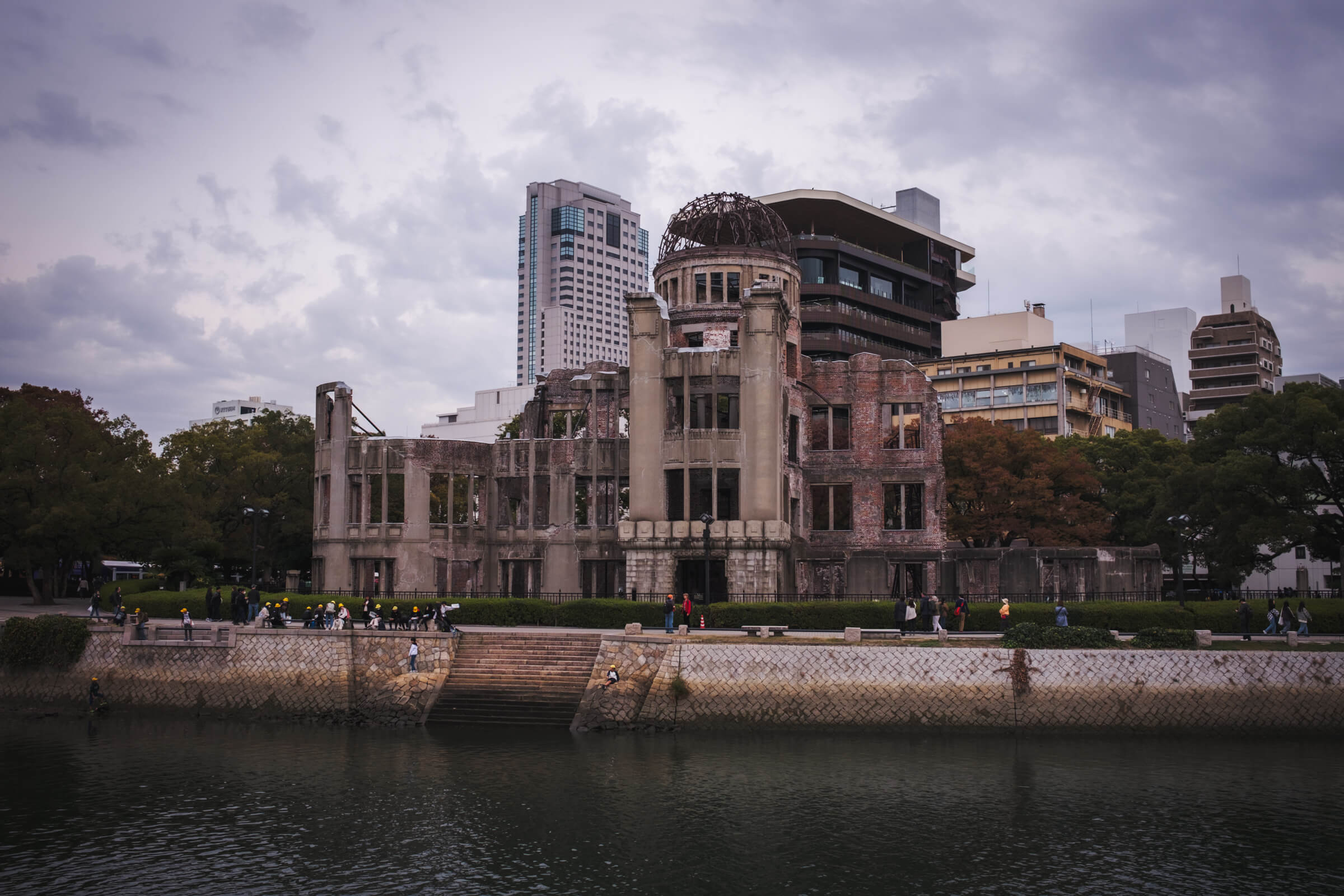
In recent times every time I have such a dilemma I would ask myself, what would be the choice that would enlarge me? So here I am in Hiroshima. I am not sure if I’ll be visiting the Peace Museum because I am admittedly a coward. But we walked past the Peace Memorial Park today and we saw the Atomic Bomb Dome:
I cannot articulate my emotions. All I can say that it still makes me tremendously sad that we are still pretty much a violent species.
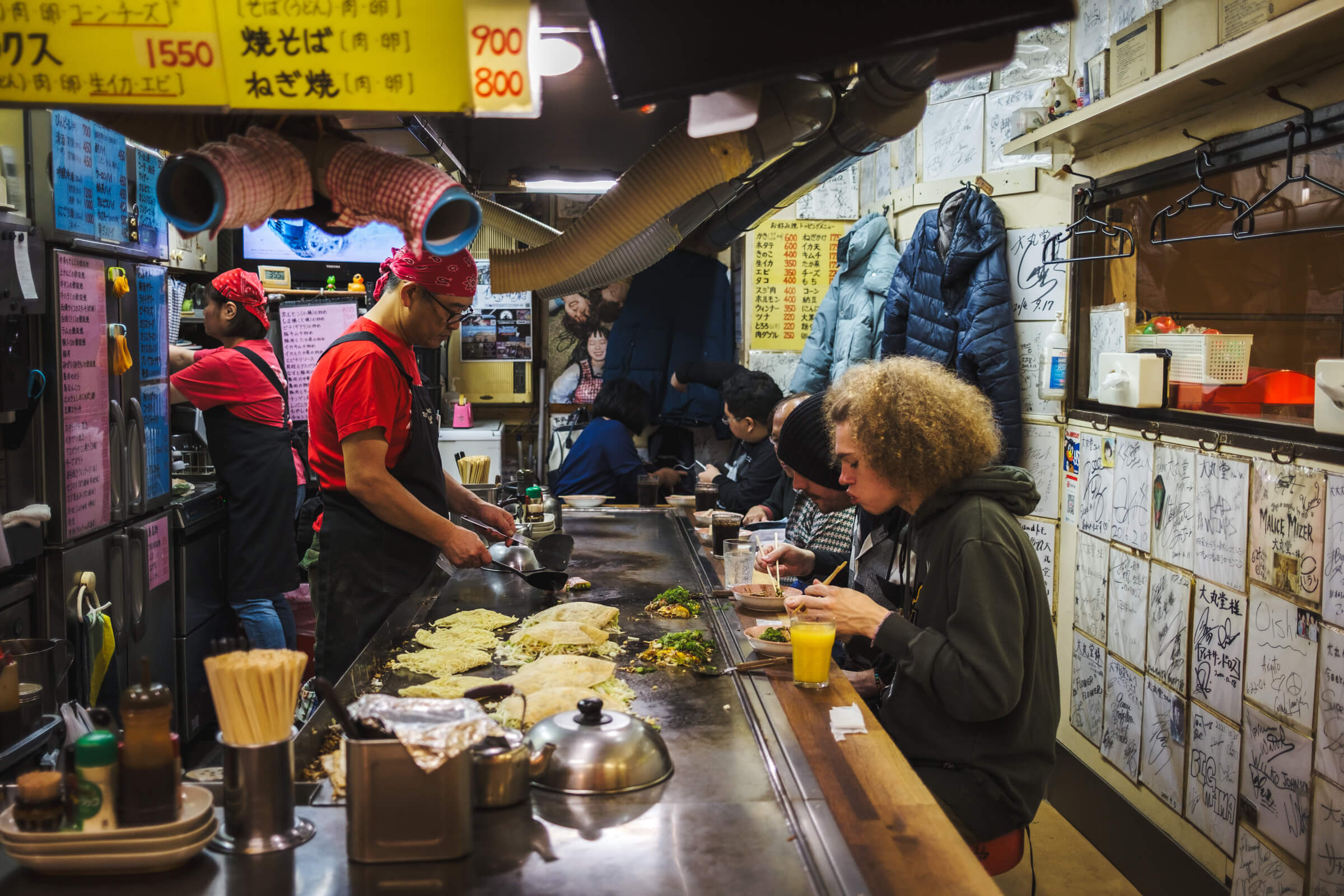
On a slightly brighter note we visited Okonomimura, a multi-storey building full of stalls selling Okonomiyaki.
We picked a stall and it allowed take out. While waiting for our meal we got to sit at the stall and experience the entire cooking process.
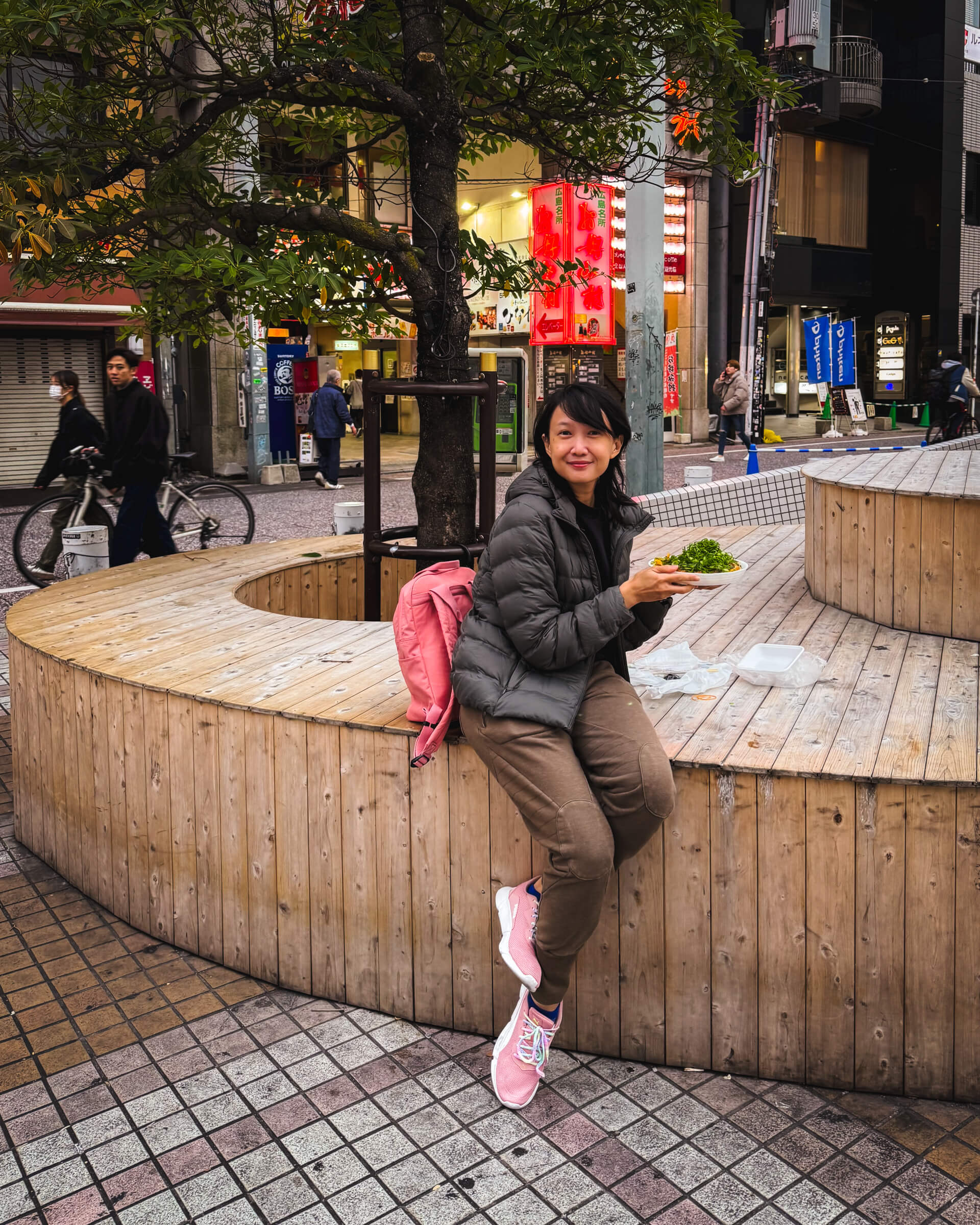
Fortunately there was a sitting area right outside the building so we sat in the cold eating hot, steaming Okonomiyaki. It was the hottest meal we have had so far:
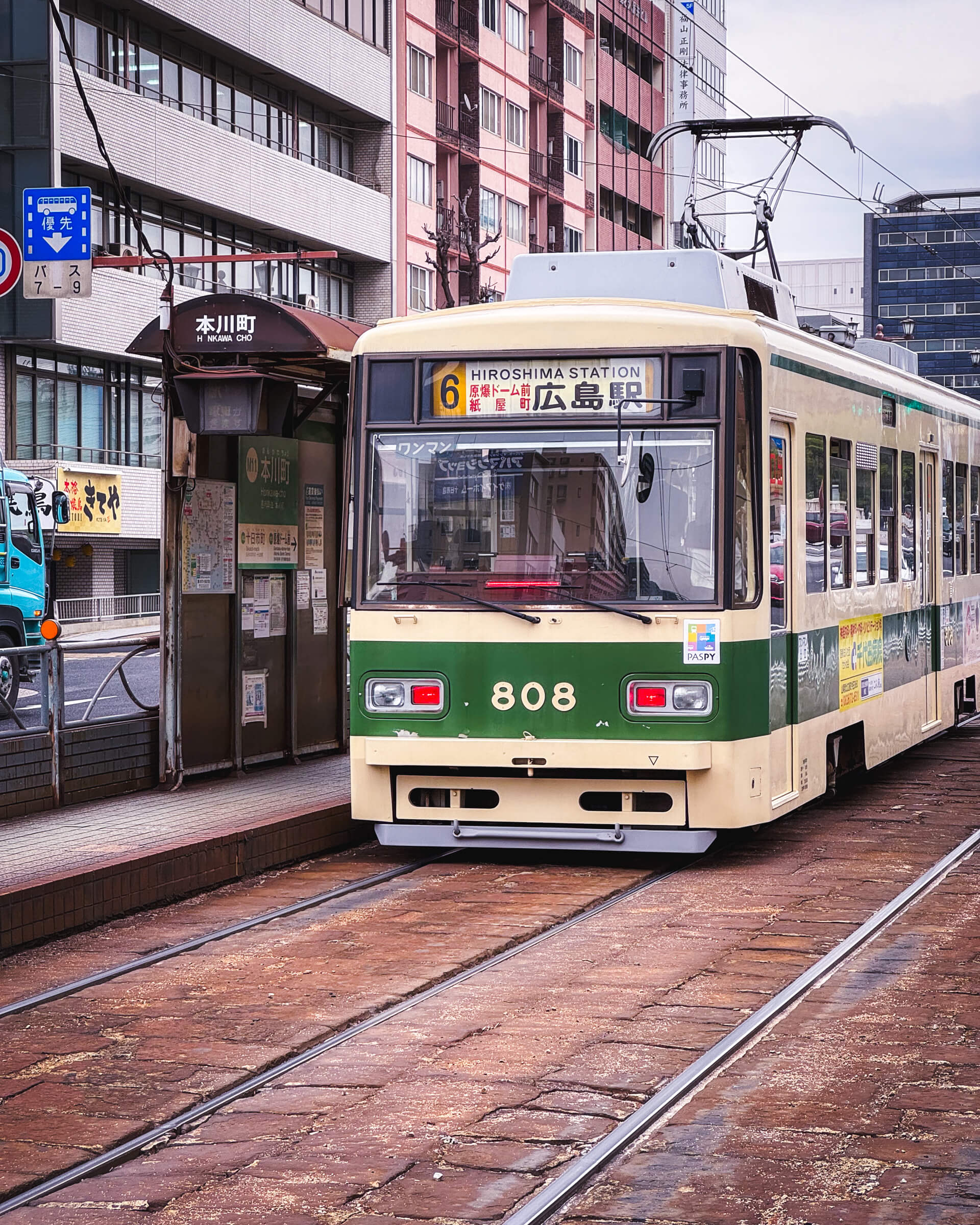
The trams at Hiroshima are pretty retro and cool:
I had this epiphany (or re-epiphany) today on why I am less depressed when I travel. Apart from the obvious dopamine hits because there is novelty, travelling inevitably keeps my brain engaged because there is so much wayfinding, figuring things out, getting lost, decision-making, choosing of potential pathways, etc. At home, my country is so small and comfortable that I am living like a zombie, even if I consciously do not want to. My brain simply switches off because it is familiar with everything, it does not need to think. I seem to thrive in uncertainty even though it makes me very uncomfortable and anxious. I guess there’s different parts of my brain having different responses.
If I didn’t have motion sickness I could engage my brain with a game instead. But I do think there is some merit to the theory that we’re evolved to be very physical because that’s how our ancestors had to survive. I’ve become very active in recent years: swimming, cycling, running, and now strength-training – moving and using my body makes me undeniably less unhappy. Our eyes are not meant to look at screens perpetually, they are meant to process information from our physical environments. I can’t help but feel like I’ve accumulated so many chronic illness symptoms from all those years of doing nothing except look at screens – both for fun and professionally.
Maybe there is something about my partner’s theory that I’ll find my way out in the process of trying to escape from reality. Perhaps there is something wrong with that reality hence me wanting to escape from it, it is just that we are all so used to it.
I was too tired to post anything yesterday, so I guess this wouldn’t be a daily thing. But something is better than nothing, so I am back posting a few highlights.
We were on the way to our hotel around lunch time yesterday and saw this fascinating phenomenon where people were selling bentos out of their cars and trolleys near Hakata station. There were also food trucks with long lines.
We had this really delicious soft serve in the basement of Hakata station near Hankyu department store. I never had soft serve like this before, seriously. Again, what is with Japan and milk products?
Autumn colours are starting to show:
We love spotting artists out in the wild:
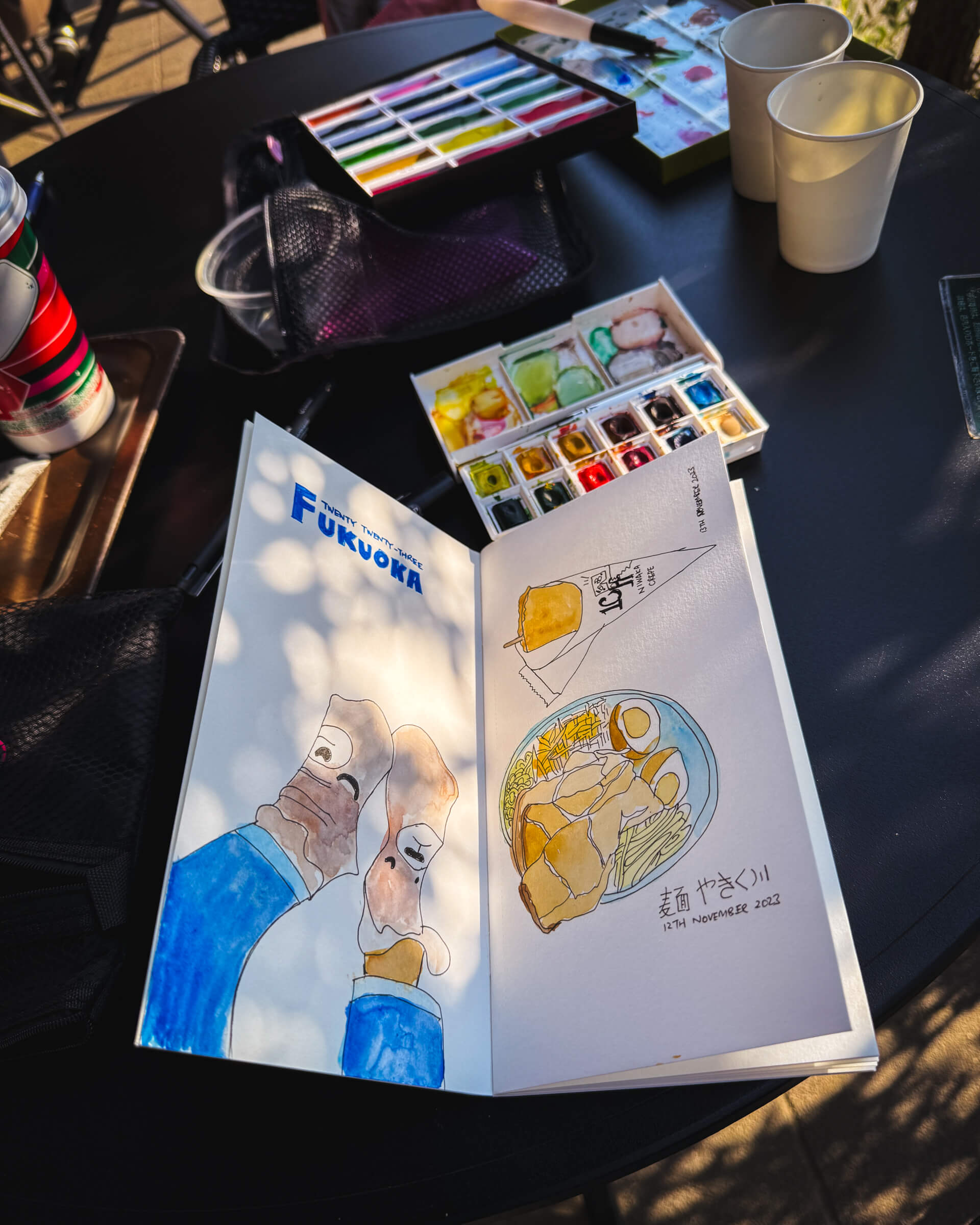
Did some art in the cold while chilling at Starbucks Ohori Park. In Seoul there were plenty of outdoor cafes and the weather was more moderate so we did a lot of art. Over here it is a lot colder and more difficult to find suitable outdoor seating so this is just my first spread since the beginning of this trip:
I was actually distracted with some background worries but my mind refocused a bit through the act of making art. I’m beginning to be more aware of all the noise my mind is making. I am not sure if this awareness is a good thing.
I decided that the posts for this trip will not have a consistent format, and I’ll post according to my mood in that moment. I’m curious to see the eventual outcome of this series – it will be my first attempt to do something like this instead of my typical weekly posts.
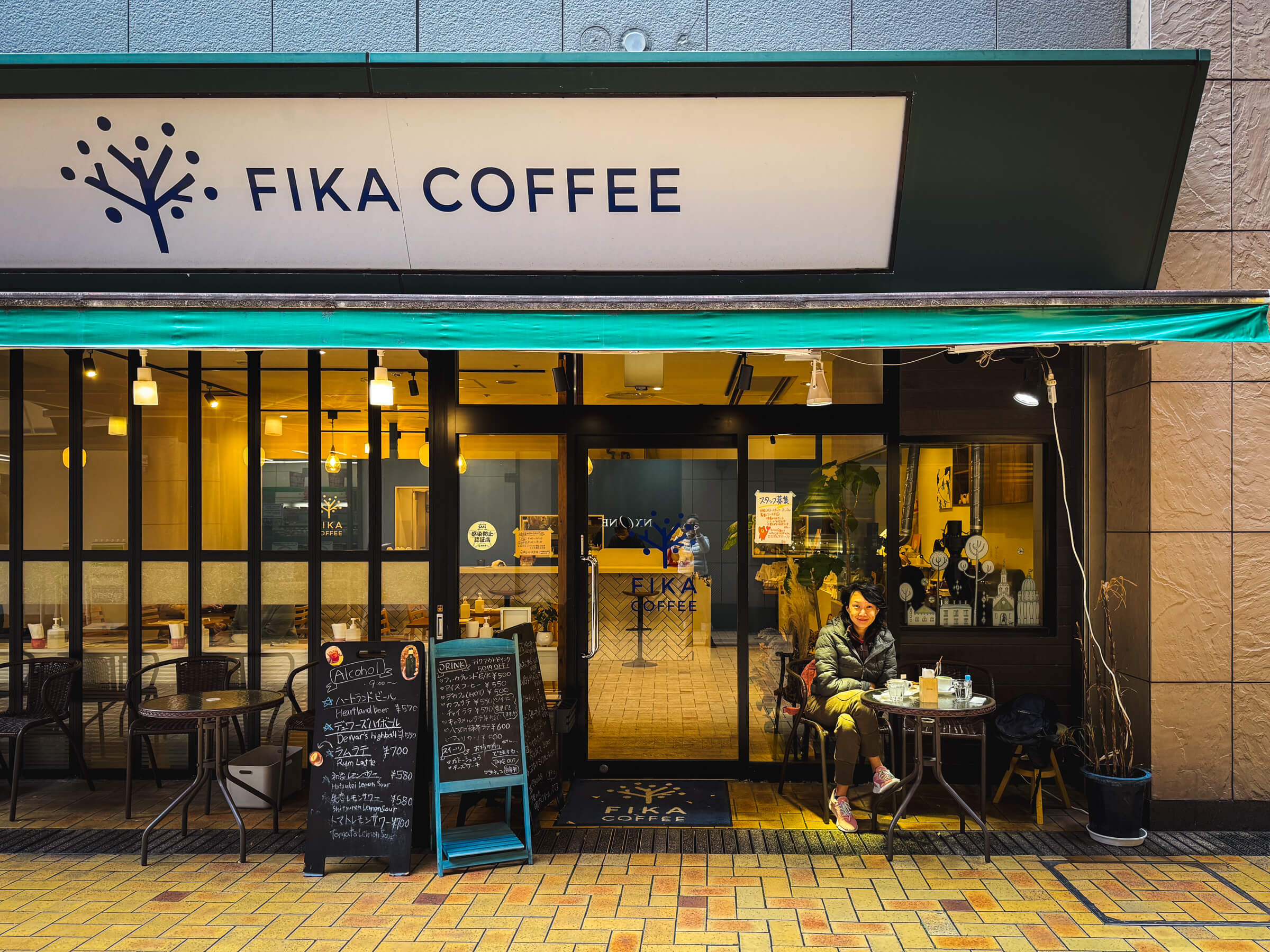
Today we managed to find a cafe with some outdoor seating for breakfast. It was 12 degrees celsius, and I was half-expecting to see no tables outside despite the google listing showing otherwise. Still I think they were surprised that we rejected the warmth of the cafe for the cold outdoors. We did pass by a couple of places with outdoor seating, and very strangely we were not the only ones who are dining outdoors. Other people are probably not doing it to avoid covid though, so they must really like the cold?
The food quickly got cold of course, but we were just grateful to be able to sit somewhere and eat food that was at least hot for a few minutes.
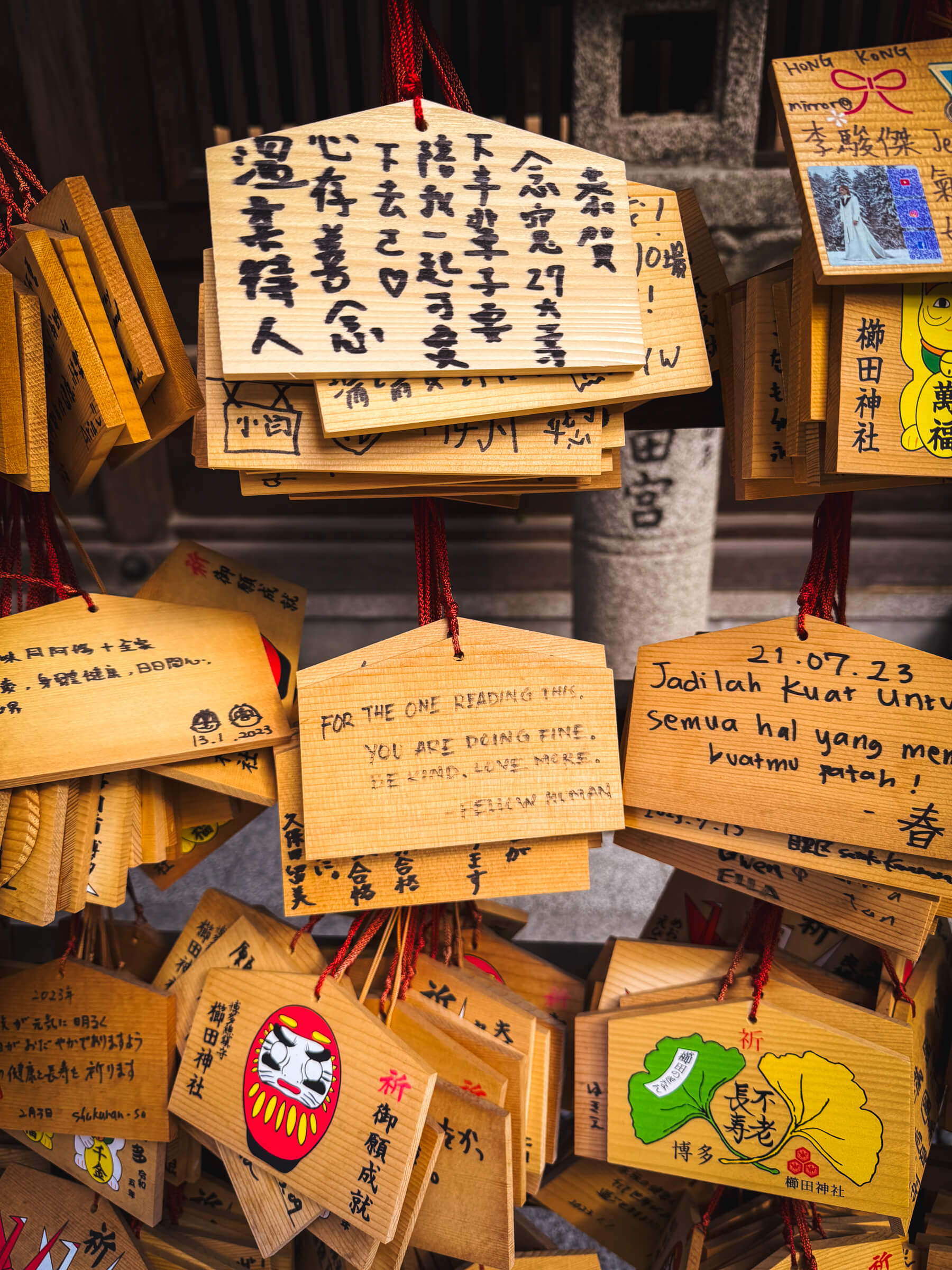
Along the way to somewhere else we passed by a shrine that allowed people to hang their well-wishes, and this message caught my eye:
I am no longer a romantic, but I still appreciate it I guess.
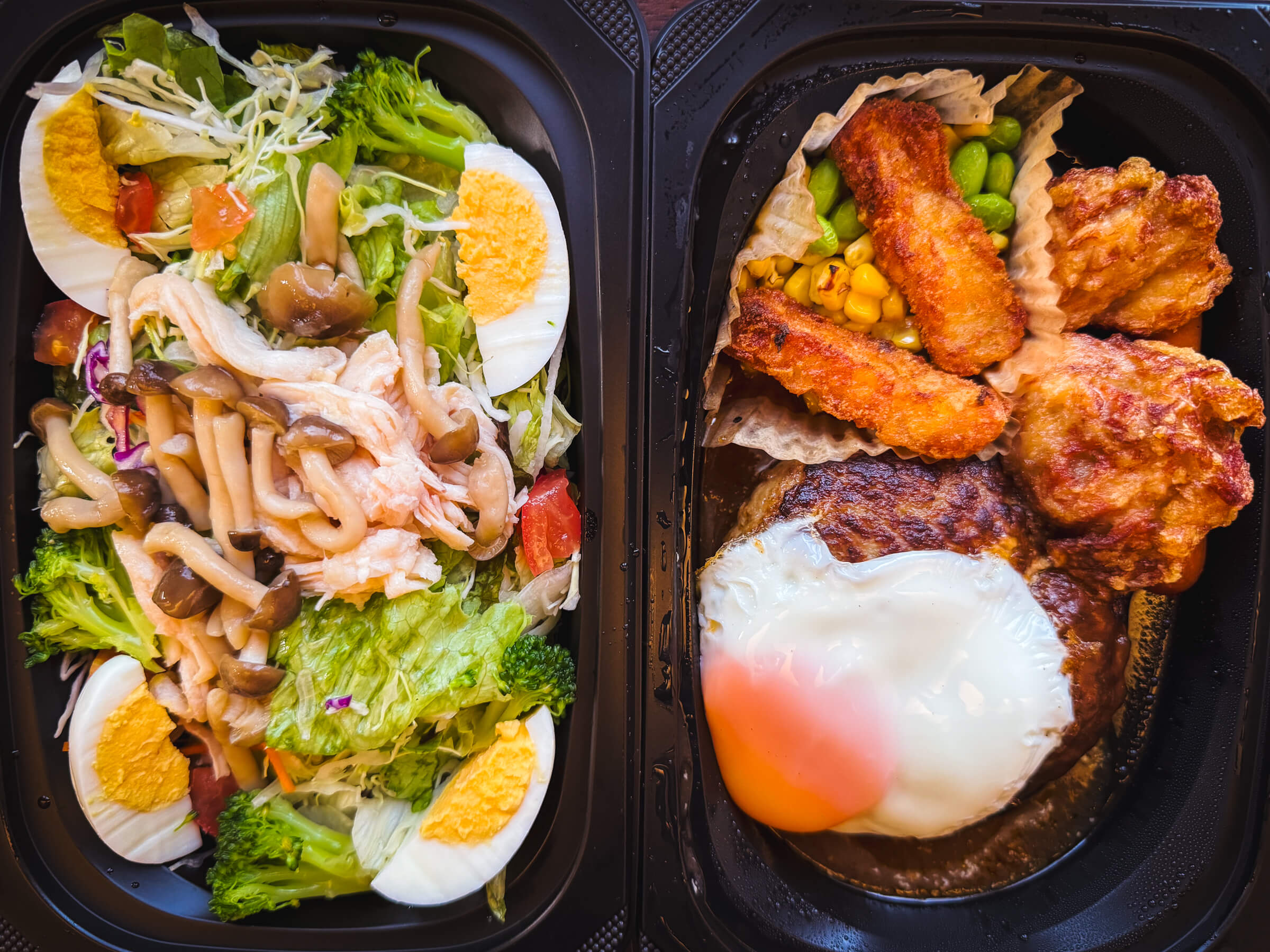
I used uber eats for the first time so that we can dine in warmth at the hotel. It was a little anxiety-inducing because I didn’t know if it would really work but thankfully it did. Uber exited Singapore for a few years by now, so I was impressed by the little details in the user experience. After having several meals in the cold we are just grateful to be able to have warm food from a proper restaurant. There’s just something about the japanese hamburg steak that is delicious.
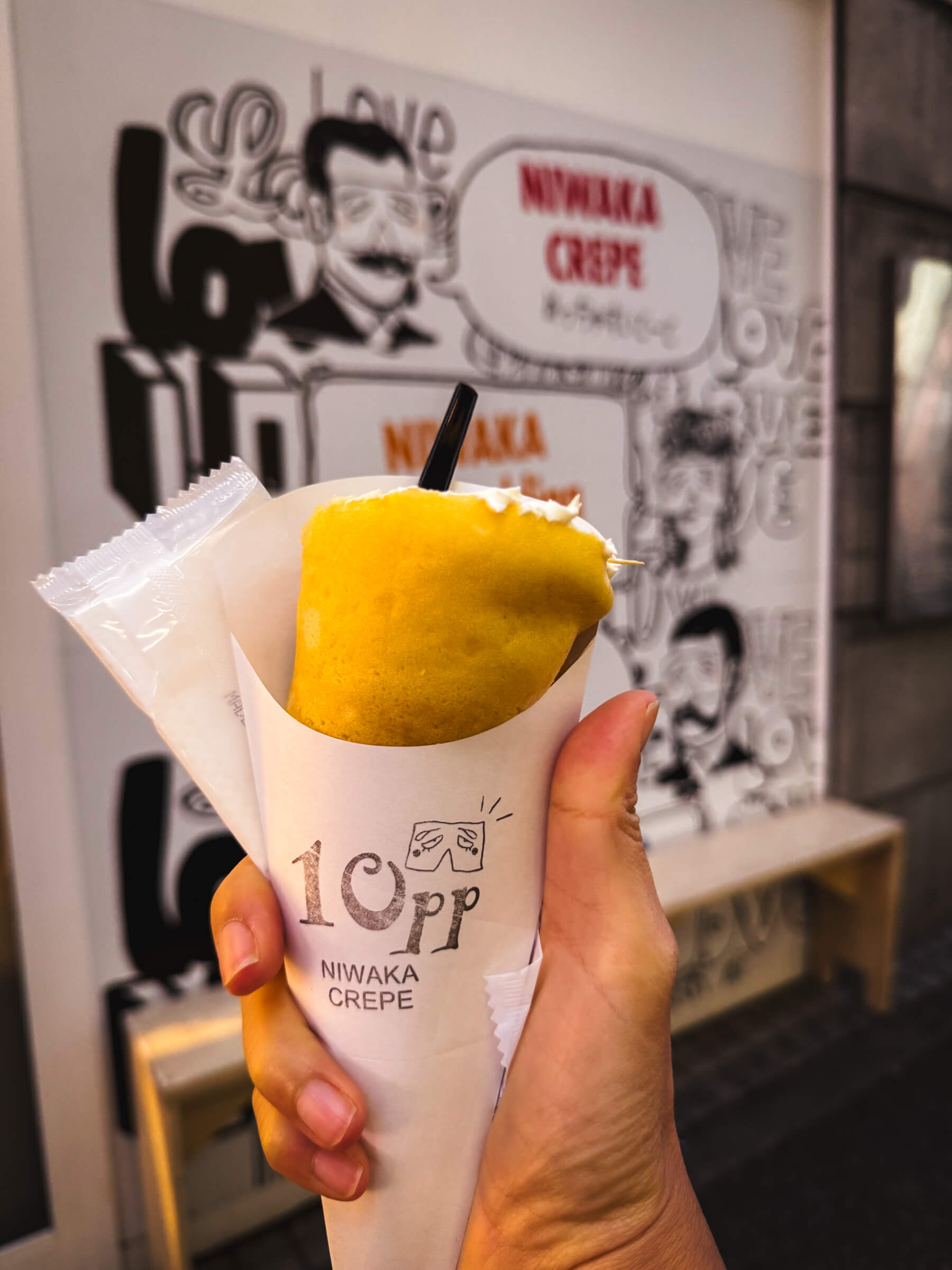
We walked to a crepe place for dessert. It had nothing except cream. But the cream was exceptional. Sometimes the most simple of foods are the most impressive. And what is it about japan and milk products?
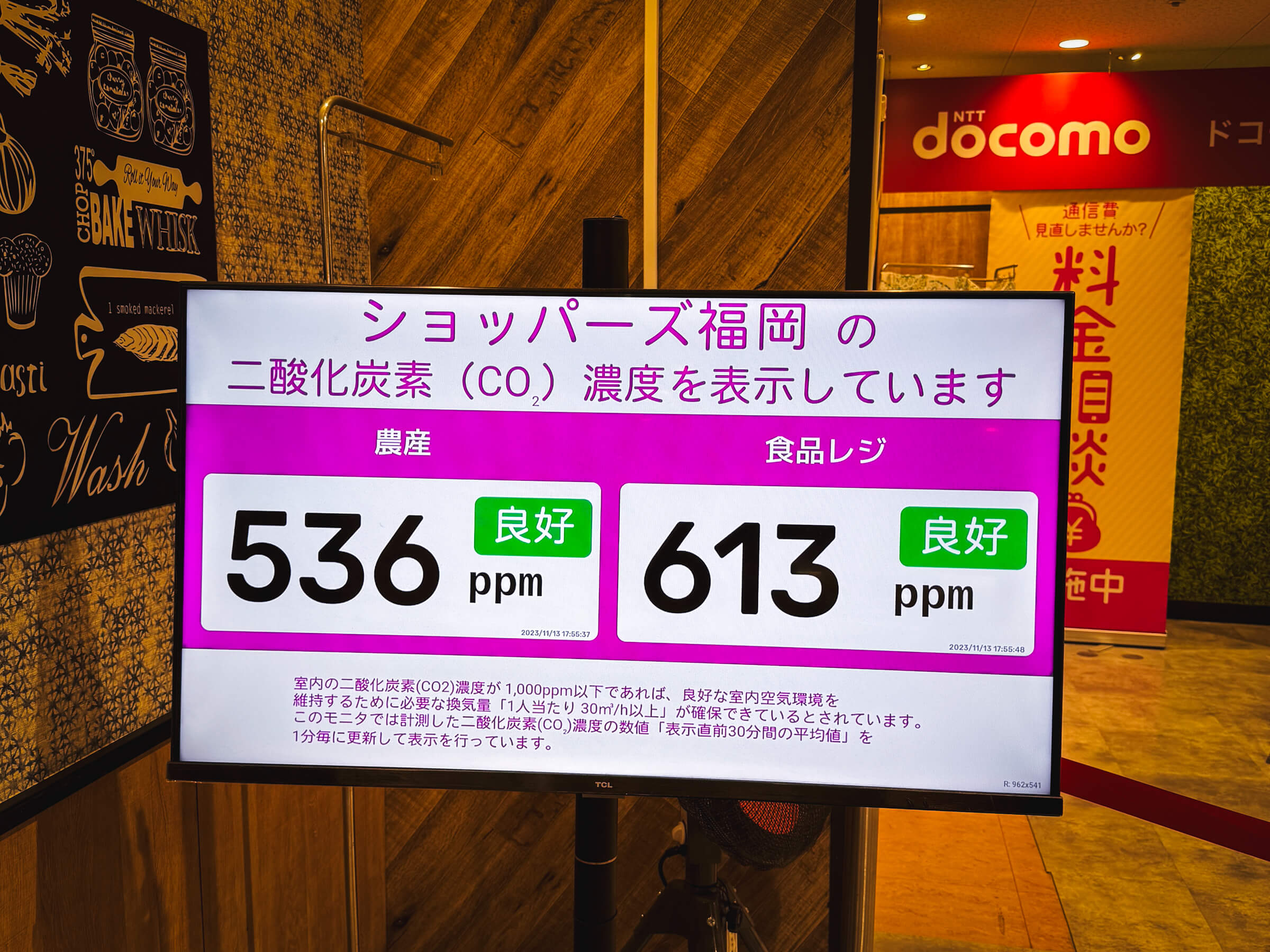
The highlight of my day was seeing a tv screen in a department store showing the CO2 readings for their indoor areas. It made me almost want to cry. At a time when people are arguing about the necessity of ventilation, it is just so inspiring and heart-warming to see a place that still cares (co2 is an approximation of how often the air is exchanged. The less ventilated a place, the more likely virus-containing aerosols are still hanging about).
I can’t help but be cynical and think that this is an artefact that will disappear soon because the pandemic is “over”. I just wish this is a thing everywhere. Even without covid, wouldn’t it be nice to breathe in clean, oxygenated air? Readings above 1000ppm can result in fatigue and headaches among other symptoms. But it is very common to see readings of 1000ppm (I go around with a co2 monitor), because most places do not care about ventilation, or humans actually. Japan however, has regulations on the ventilation rate of indoor places, recognising airborne transmission and actually implementing something about it.
I am not sure if I can keep this up. I don’t know how Craig Mod does his pop-up newsletters where he writes thousands of words and includes a ton of pictures after walking tens of kilometres the entire day. But it feels really good to document my thoughts and impressions on the day itself, and not rely on a hazy memory post-trip.
I do wonder if I manage to keep it up, will the style of my writing change? Will it become lazier or more complex?
Sometimes I think I am too “purist” in the way I live: I am always trying to do the “right” thing, but perhaps what is the right thing for me intellectually may not be the right thing psychologically. In a world like this it is difficult to live right in the middle of reality, to open our eyes wide and acknowledge the extent of suffering and unfairness that exists.
In one of our recent conversations my partner and I were discussing my chronic depression. She noticed I tend to be less depressed when I travel. I asked her if it is okay for me to keep on escaping my depression by distracting myself from it. She believes that if I keep on escaping from it I will eventually find the actual way out. I don’t know why she thinks so.
The purist in me abhors the notion of escaping from reality. To me, it is important to face the truth in order to grow the capacity to cope with it and not repress it. But maybe wounds need protection from their environment in order to heal. At my age now I am open to coping in different ways. Maybe what has worked for me in the past is no longer working. Or maybe there are always different ways to cope, and I shouldn’t insist there is one correct way. Is there even a correct way? If living closer to the truth makes me feel like dying and escaping from it allows me to survive, which is the morally correct way?
Anyway. I apologise if I sound vague and convoluted. That is the reality of my disturbed mind. So I listened to her and here we are in Fukuoka. Each time I travel I think I am risking my health because of the increased risk of getting covid again, but I am also making this decision in the context of my sanity and that the world is getting more unstable with wars and climate change. I am trying to see if I can reduce the risk as much as possible by strict masking on planes, using nasal/throat sprays, cpc gargles, not eating indoors etc.
It is a little sad to come to Japan the land of great food and not able to dine at most restaurants because almost everything is indoors. I am curious to see what will be the experience.
I am writing this with some fatigue because we took a 120am flight and barely slept. But it is sunday and I don’t want to skip publishing. I feel like as I get older my memories become more precious. I was looking at my instagram feed some time ago and I used to be really spontaneous in posting photos to date my travels. I used to write more spontaneous blog posts while travelling too. I wish to prioritise preserving my memories over quality. So perhaps I am going to try to blog my journey, more of what goes on day to day in my life. I am not sure if I will, but at least I am setting this intention.
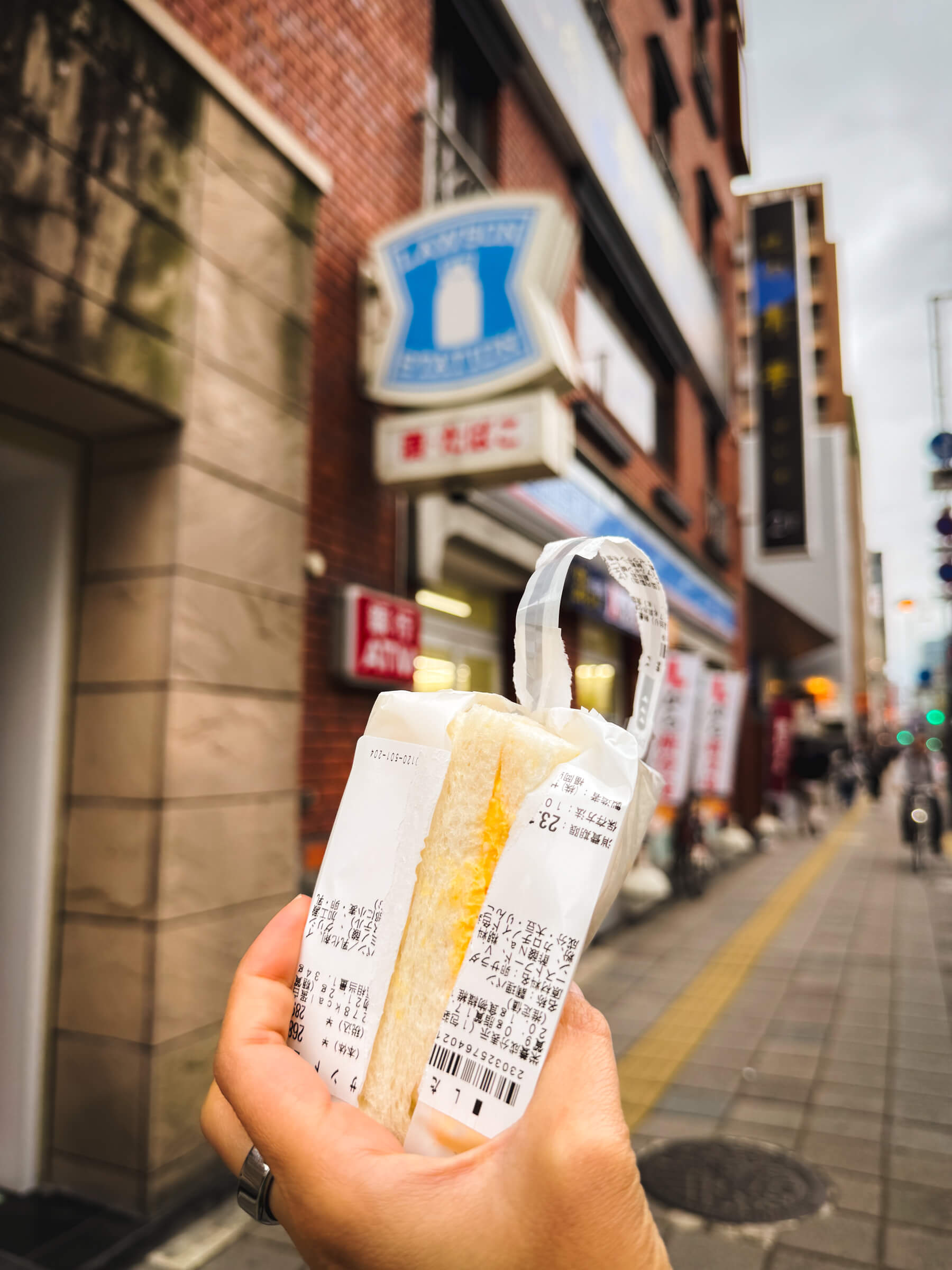
Here’s our very first attempt at outdoor eating – the famous Bourdain-acclaimed lawson egg sandwich:
I love egg sandwiches even without Bourdain’s endorsement so I am so glad to be able to have them. Apart from convenience stores, cafes in Japan make really good egg sandwiches in general. But we can’t eat indoors so I’ll have to settle. I wonder how much of this sentiment will pervade through the trip.
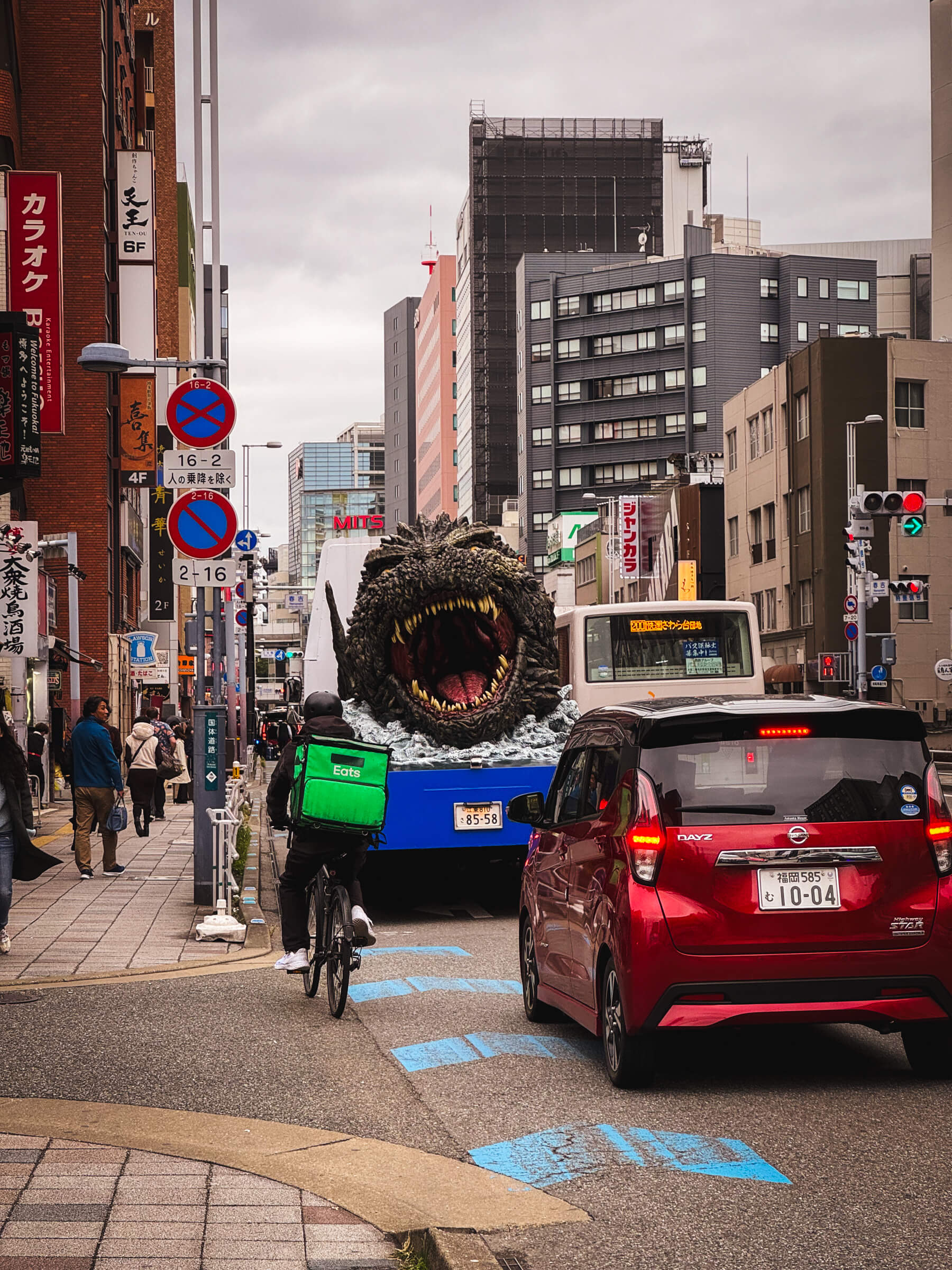
…And this truck with godzilla blasting dramatic music was hilarious:
Hope it was not too weird reading a snapshot of my psyche and then seeing a photo of an egg sandwich. I guess that sums me up nicely. I guess I have to remember the act of documentation is more important than what makes sense. Nothing in the world makes sense anyway.
I am not sure why, but I don’t have much interest in life. I have been this way for as long as I can remember, though I am not sure if my memories are reliable. People seem to find living fun, I find it somewhat painful and difficult to endure. It doesn’t help that this world is not very sane or kind. There are definitely pockets of kindness, but in general the way society is structured is unkind.
I think that if someone wants to be somewhat happy, there needs to be enough forgetting, enough denial, enough ignorance. Unless the person is emotionally resilient enough to stare at reality in the face, do what they think is their moral responsibility despite living in an uncooperative society, and fully feel all the pain and joy that comes with existence. Perhaps it is enough if they are able to construct a narrative that gives them meaning and rationalises the suffering that goes on in the world.
I am not that person. I may even admit I am a coward. I don’t like witnessing suffering, neither do I like to suffer myself. I think that life is brutal. I feel like I cannot opt out of this nonsense, so I try to trick myself into having some interest in my own life.
I think without that interest I may lose the will to live. I may not end my life because I think that is cruel to the people who truly care about me no matter how few and far in between. But I may psychologically give up and waste my existence away. I have gone through periods like this but they are not permanent. I don’t wish to bring suffering to people like my partner, so I try, and try again.
So I try to pretend to be interested in some things. It is like playing a role-playing game, if immersed enough I may forget that I am actually pretending. I work on my art, I work on my fitness, and I write these posts. I don’t actually feel much about them, I just go through the motions because I am not sure what is the alternative. I do get pleasantly surprised at the outcomes at times. For example, I like experiencing my aerobic fitness. I got into exercising out of necessity, yet it allowed me to experience a different version of myself.
I feel like that is the crux for me. Since I am generally uninterested in the world, perhaps the only thing that can get me interested in living is to be curious about my future self. Human beings are both canvases and instruments. The different choices we make will generate different patterns, textures and colours, like on a canvas. Will it be colourful or dull? Will it be uniform or wild? We can hone our selves like an instrument. What we gather in our selves in the form of inputs, experiences, lessons, will ultimately affect the continuous creation of our canvas. The selves we become impact the lives we lead, through what we experience in our lives, we are also creating our selves.
I think it is a very interesting idea to think of our selves as an instrument and a canvas. Society conditions us to sacrifice our selves for the greater good, aim to be the same as everyone else in order to conform, or stand out by succeeding through prescribed ways. We could have a so-called very successful life by getting great grades, have a society-approved career, get married to a spouse who seems to be an equal on paper, and have children capable of emulating our own “success”.
That is a success to most people, when we die perhaps people will talk of us with great reverence. But is that the canvas we want to create? Are our selves merely capable of checking the societal-generated milestones? What are we truly capable of? If we spend our lives devoted to just passing these “standard” tests that society offers, we will never know who we can become.
For me, it has been a difficult but interesting 8 years since I left my last full-time job because I developed chronic health issues. I have to be really honest and acknowledge that I would be probably pursuing the so-called society-approved goals like everyone else if I didn’t suffer from my illnesses. I am not celebrating my illnesses or saying that they are a blessing in disguise – I really resent that sort of narrative because the suffering is very real and debilitating. But they gave me no choice except to have a hard reset on the way I live life.
I stand corrected. I could have perhaps continued to lead the life I led and grind through the pain with painkillers or something. I wonder a lot about free will. Was my psyche and personality only capable of making the choices I have made so far? Is there an alternate version of me who would have chosen to stay where ever I was?
I guess another contradiction that I am is that I can be a hopeful person. I mean, why harbour hope when I am chronically suicidal? But maybe I am chronically suicidal because I am hopeful. They say in many cases it is not that people want to literally die, they just want their suffering to end and their ego to die (or the existence they feel trapped or hopeless in). For me, the idea that I wish to end my life is potentially a hopeful situation. Sometimes the willingness to put hard stop to something can be liberating. There were countless times in my life when I made certain choices because I was like this wouldn’t be worse than dying. I was already psychologically prepared to die, so I wasn’t afraid of much else.
Being willing to die means I am willing to give up whatever that I had in that life. That made it “easier” for me to make dramatic changes because since I was as good as dead, I could start my life in a totally different direction. Plenty of times we are afraid to make certain decisions because of potential judgement, embarrassment, the loss of “face” as we chinese like to call it. But for me the loss of “face” is nothing compared to wanting to die. It makes it way easier to live life like a loser in society’s eyes.
There is a lot of internal judgement too. Till today I have to entertain feelings of uselessness and a diminished sense of self because I am an useless “loser” by society standards. But it is possible to develop the intellectual and psychological strength to know what is it that we truly want out of our lives and our selves – even though I seem like the same person I know I am stronger compared to my past selves because I review my journals. Is getting the stamp of approval from society so important that we are willing to mute and kill our true inner selves? We can be outwardly successful in every way but feel dead inside. Is that what we wish to endure till the very end?
I think everyone should make their choices and it is a valid choice to pursue outward success. I believe that some people do enjoy owning a business or being a lawyer – that is how they express their personality and creativity. But the choice has to be made out of awareness and clarity. Do something because we really wish to, because we want our canvases to turn out that way, not because we are afraid.
It is not easy to know what we want, because we have been socially programmed since we are conscious. I am not sure if this is a worthwhile journey to take, because it can invite a lifetime of potential suffering and loneliness to live a life that is not conventionally standard. Perhaps it is easier to live like everyone else instead of sticking out like a sore thumb. Even people closest to us may be silently judging us. Maybe it is not everyone’s cup of tea to live closer to their inner truth, if such a truth even exists.
I don’t believe in an inherent purpose so it is not about finding one’s true purpose and living according to that. I see my life more as a canvas, so what I’m interested in is to push it in certain directions and see where it will take me. I cannot be sure if there is a “true” self underneath all those layers that I am, but at least there is a self willing to search and experiment versus a self who is wholly created by societal’s expectations and conditioning.
Maybe this is not an interesting idea to some people, but it is to me. I see it as a saving grace for my self who has no interest in everything else. Who will I be in another 8 years? Will I finally be interested enough to live life, or will I always be this detached person? Sometimes it feels like I will always be this way because it feels to me I have always been this way. But it has only been 8 years since I’ve started to actually live life on my own terms. I could say I am 8 years old, because my previous self has died.
I think I have not developed enough psychological skills to cope with life, and I have the emotional maturity of an 8 year old, and that’s already being pretty kind to my self. I am not sure if I can be psychologically more resilient. Life at this point still feels daunting and horrifying to me. But since it is not something I can unsubscribe from, the only choice left to me is to continue honing myself and be curious about creating that canvas.
Learning to make actual art has taught me a lot in the process. There are artists who know precisely where they want to go, and they spend their lives honing themselves in order to make art with that very precise skill and direction. I am the sort of artist that has no idea where I want to go, but I am willing to continue to try different things and be surprised at the outcomes they bring me. My life, like my art is not aesthetically pleasing, but it pleases me because I know I am the only person capable of filling up this canvas in this manner. It is not because I am more special than anyone else, but rather I respect and am aware of the complex uniqueness of any individual’s psyche. I can never walk in your shoes because our makeup and experiences will always be different. Isn’t it a beautiful thing to express that essence that is you and uniquely you?
I find it comforting that I still find this beautiful. That I can continue to iterate on my self like a piece of software, that I am never truly fixed and stuck no matter how it actually feels. What new interests can I pick up tomorrow? I like the idea that I can stop doing something I’ve been doing all my life right at this moment, and start doing something I’ve never ever done before. I don’t have to live up to some ingrained belief I have about myself, I don’t have to become a specific person, I can just keep on painting the canvas, adding more and more layers. It doesn’t have to be beautiful, great or appreciated by people, it just needs to be mine.
note: I could probably write a better essay about the concept of our selves being a canvas without having to mention my chronic suicidal tendencies and lack of interest in life. But I think it is my lack of interest that has led me to think in this direction. There are a lot of things I could probably do better objectively, but it wouldn’t be me. I am just this longwinded, and everything I write stems from this psychological core I have of being perpetually lonely, sad and uninterested. It is something I have to continually learn to accept instead of disowning because I thought I could be “better”.
After thinking about it for more than three years, I’ve finally signed up for personal training so I can learn how to strength-train. We start to have muscle loss as we age:
Muscle mass decreases approximately 3–8% per decade after the age of 30 and this rate of decline is even higher after the age of 60
Women are especially affected because of hormonal changes as we start to leave our child-bearing years behind. Muscles have a direct relationship to metabolism and insulin sensitivity, so this is a large part why we start to gain weight usually after our 30s even though we’ve been eating the same amount of food. It probably concerns me more than the average human being because insulin resistance is linked to migraines.
I first contacted a personal trainer last november – yes like almost a year ago – but life events, covid and executive dysfunction derailed my plan. I am also quite fearful of working out in an indoor space since everyone will be breathing large amounts of air out and many places don’t bother about adequate ventilation, so the possibility of getting covid from a gym seems to be heightened.
But there was one morning a couple of weeks ago I couldn’t run due to haze, so I started thinking about going to the gym to run. One of the gyms near my place opens at 6am so I thought the risk of catching covid will be considerably less with less people and there would be enough time to ventilate the empty space overnight. They are a government-linked gym, so they offer memberships and personal training at affordable prices. I wear a kf94 mask that has been tested to have one of the highest filtration efficiency in the gym.
sidenote: I keep getting questions why I still wear a mask and am so ultra-cautious. Why is it so difficult to understand that I wish to protect my thinking faculties?
The list of neurocognitive issues that Meropol’s team and other researchers must track is extensive: cognitive decline, changes in brain size and structure, depression and suicidal thinking, tremors, seizures, memory loss, and new or worsened dementia have all been linked to previous SARS-CoV-2 infections. In some cases, these longer-term problems occur even in patients with relatively mild COVID-19.
I mean if people’s decision is to YOLO their brains I guess I can sort of understand that – though I believe as a society we should protect the disabled and immunocompromised too – but why do people feel like they need to convince me too? I have barely recovered my aerobic fitness after 6 months and have no desire to play covid roulette.
Vaccination does not protect us from the damage covid can cause. It can only reduce the odds. There’s so many young, previously healthy vaccinated individuals on r/covidlonghaulers (and before people think it is the vaccine, there are even more unvaccinated longhaulers, geez). Previous infection would not confer permanent immunity too, and it is debatable if there is any immunity at all considering how fast the virus is mutating.
I feel like at least 50% of my ongoing depression is due to the everyday reminder that human beings will do anything in order to preserve their desired status quo. That governments around the world are complicit in this ongoing pandemic-inflicted damage by telling people getting infected is safe when it is not. What does this tell us?
</end of rant>
how the sessions went
I had my first two ever strength-training sessions this past week. One for the lower body and one for the back. The leg one was brutal – I told the trainer I run regularly so she tried heavier weights on me. I left the session with jelly legs and for many days after I was unable to bend or squat without considerable discomfort. I was warned that it would take 3-5 days to recover for a beginner. I still managed to go for a slow jog on the third day, after the internet told me that it would aid muscle recovery.
Like running, I think so far strength-training has improved my mental state. I think there is something ironically relaxing about exertion – as though I am able to push/pull all the frustration stuck in my body away, at least for a while. There are documented hormonal benefits of course, but it is one thing to intellectually know about the benefits and another thing to feel them.
I feel tremendously lucky that I seem to like exercise, though it was only the recent 5 years that I became this way, thanks to the necessity of trying to improve my chronic migraines.
why personal training
Why did I get a personal trainer? Primarily I would like to learn how to use the machines at the gym safely. I have no idea what is the amount of weight I should start with, what are the ideal routines to go through. Also it is very helpful for my executive dysfunction because it reduces the inertia of should I should I not.
I signed up for a trial package containing 3 sessions, thinking that they would be enough to teach me the basics and I could go off on my own thereafter (I just prefer to be alone). But after the first session I realised why personal trainers are an advantage: there are nuances that cannot be learnt from following a video, and a trainer can correct our form. We have no idea how our bodies are responding when we train on our own. The form is important to train effectively and prevent injuries.
how it affects blood glucose
I prick my fingers at least 5x a day to understand my blood glucose patterns. I do this primarily because of my chronic migraines but over time I just became deeply interested in the mechanics of metabolism. Perhaps it is the experimenter in me.
Running improved my glucose numbers quite a bit and it made me tolerate dietary carbs a lot more. Strength-training however – at least for the first 2 sessions – is like giving me miraculous numbers, especially post-meals. This should not be surprising considering how much glucose muscles need but I am still surprised. Considering it has only been 2 sessions I am hesitant to proclaim that this is a long-term effect, so we’ll see.
growing my internal battery
Once in a while my partner will bring up the older days of how I used to collapse flat on the floor whenever we head out, even if for a short while. We joked that I had a perpetually depleted small battery, and it can only hold a very small charge. My demeanour would suddenly change in the middle of an outing, and I would tell her I need to get home immediately.
I started to get less and less tired as we walked more and more. Again, wow aerobic fitness is really a thing. Running improved my fitness by leaps and bounds. Prior to my covid infection I could run 8km in the morning and still be out the entire day without much fatigue. Covid set me back, but after a complete break for a month I started picking up the steps again before slowly transitioning back to running. Now after 6 months I am back to running effortlessly again, though my aerobic capacity is still not back to where it was. Partially it is because I am more cautious about overtraining in case I trigger some latent covid thing or accidentally lower my immune system. So I cover less distance and I run alternate days instead of everyday.
I am curious to see how strength-training will change me and my body, assuming I am able to keep it up for a long while (please don’t let me get covid again). Will it be as life-changing as running did for me? How will it impact my psychological state?
I have always struggled with my mind, but the intensity seemed to worsen in the past few months. Tracing back, I think it was since my covid infection.
I wasn’t surprised to struggle with low moods post-covid since it is a common symptom. The virus messes up our brains. But my moods stayed low and turbulent even as my physical health improved. The only thing that helped was travelling, probably because having novel experiences is so distracting and stimulating. But each time I travel I feel like I am dramatically increasing the chances of getting covid again.
Then I had an epiphany during one of my runs last week. I realised one of the the reasons why I am drowning in my mind is that now I have the space to. For the past 8 years I was too sick and exhausted coping with my migraines. It was just days and days of pain, followed by days and days of fatigue caused by the intense encounters of pain. I had no energy, time or space to drown in my emotions and thoughts, because I was drowning in some form of pain, fatigue or discomfort. I was still depressed, but it was a lot more influenced by my illness, the trauma I had to process because the illness forced me to truly reckon with my life, and the idea I would never recover again.
There was something to blame whenever I felt depressed, angry or frustrated — my chronic migraines. I knew there were a ton of things I couldn’t do and a ton of expectations I couldn’t heap on myself because I was sick. The past few months however, apart from one mild episode in August I have been mostly migraine-free. So my mind is at least temporarily freed from dealing with pain and the fallout caused by the pain. Now it has the space to deal with my self, and that is very unpleasant.
Previously my inability to function was because of my migraines. Now I am left with my self, and I am still unable to do much. So it is natural to start blaming my self. Please don’t get me wrong though, I am not saying that it is now all only mental. I think depression is very much a physical and neurological illness (unless you don’t consider the brain as an physical organ) – to live a life where the mind is a suffocating prison and a perpetual saboteur is a debilitating disability. I was already experiencing a lot of difficulty living with migraines because it is an invisible illness. People just don’t get how debilitating it can be. If something with intense physical pain is so easily dismissed by society, it is of no wonder why any form of neurological suffering is looked upon as imaginary and voluntary.
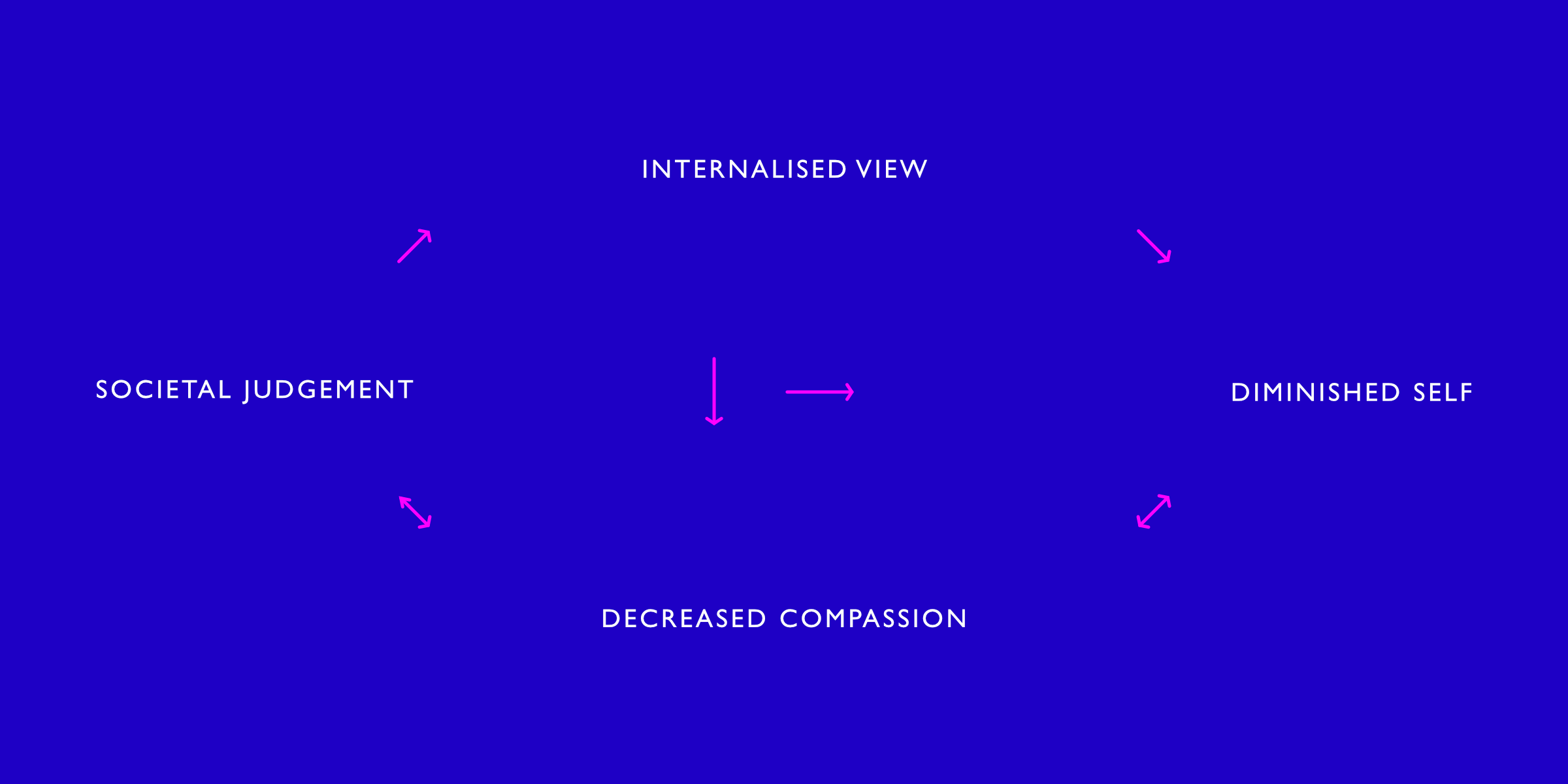
There are multiple dimensions of suffering for someone who has a neurological disorder. The actual suffering from the disorder, the stigma and lack of empathy from the people around us, and the suffering caused by the internalised stigma and lack of empathy from our selves. Take someone who suffers from executive dysfunction. If undiagnosed we are often misunderstood for being lazy. So we grow up with the internalised belief that we are lazy, and that causes all sorts of negative consequences and cascading effects: the self-blame for being “soft” and not hardworking like their peers, the belief that they are unable to do anything that requires hard work. This limits the breadth of life one can experience.
For many years I accepted the “fact” that I was lazy and I even made it sound like a joke: “Nah I am lazy so I wont’t be able to do xyz”, and I’ll end the sentence with a laugh. It is a very disempowering belief to have. It deprived me of the objectivity and opportunity to expand my self and my life because I wouldn’t even try. I just reinforced the belief on myself, over and over again. Yet over the recent decade or so through some favourable circumstances I learnt that I was not lazy. With the right conditions I worked harder, learned more, and accomplished more than the average person.
But no matter how much I worked, how hard I tried, how many accomplishments I chalked, till today I still have this insidious semi-conscious belief that I am lazy, and this presence quietly judges me every single time I am unable to do something. Even if it is due to illness. This judging seems innocuous – what harm can it do? Well, each time I (is it I?) silently judge myself it sends me deeper and deeper into a spiral of depression because it reinforces my belief I am useless and unworthy. The negative feelings that arise out of this spiral depletes any motivation or energy I have, disrupts the normal function of my hormones, reinforces the negative wiring of my neurons, resulting in more executive dysfunction, and it becomes this life-impairing feedback loop.
“I” am constantly judging myself. I cannot seem to understand that due to how my life has unfolded and my neurological wiring I do not function like a typical person and should not expect that of myself. But I do anyway, just like the relentlessly judgemental society I live in. It would be a much better world if we truly understood every single person has different ways of living, have different means to survive, that we are all dented in different places. I know this intellectually, but I still harbour the same lack of compassion for myself.
How much of what goes on in my mind is influenced by hormones and neurons, how much of it is influenced by my own compressed/oppressed views, how much of my views are truly mine, and how much of them are violently ingrained upon me due to systemic conditioning? They are all negatively reinforcing each other, and I am still figuring out how to break the loop. Can I reverse the psychological damage that has been done chronically onto me? That there are so many things that I intellectually know but I am still unable to internalise them psychologically and emotionally. I know I am not a useless person, but I desperately feel so. My brain tells me so. My body is reluctant to listen to me. I am struggling to change the feelings I feel about myself.
I don’t know if I am going through some migraine remission, if I would start suffering from them again. But for this phase I am able to be somewhat grateful that I can look into my mind intimately and live very closely with my difficult feelings. Without the distraction of pain or novelty. They are difficult, but I am able to see them and feel them. Avoiding them by distracting myself is not going to bring more openness and wholeness to my life. I need to be able to sit with them, to acknowledge their existence, to be able to go deeper into the grieving process of what I have lost as a person. I am always dismissing myself, just like how other people did. I feel like I have gone through multiple cycles of this: opportunities to look at my shadows more closely. I would emerge, but it would be a matter of time that I would plunge back into the dark depths of my self. I would like to believe that each time even if it feels similar I am making a different exploratory journey, because I am never the same person before.
I want to see if I can embrace everything about myself, and not feel like there is somewhere else I ought to go. To be curious about the darkness instead of being swallowed by it, perhaps that is how I can find a way out. Or maybe it is not about finding a way out, but finding a space in the darkness to live in, where it may no longer feel claustrophobic and draining.
Anhedonia. The inability to feel pleasure. I wonder if I have sort of been this way for as long as I can remember. Is that why I’ve always been somewhat reckless and impulsive, because I needed more than the average person to feel something? I don’t have journals from my childhood, so I can only base this impression of myself from my foggy memories.
I recently re-discovered I have a gene that predisposes me to lower dopamine levels. Re-knowing this gave me a sense of relief, because it would explain a whole lot, and it is as though I can stop blaming myself for being a chronically miserable person.
This past week or so I have had so many philosophical questions: Is it possible to overcome genetic wiring? How much personal responsibility does one truly have towards their own life if we cannot overcome our inherent traits? Is it possible to live a fulfilling life without the ability to feel positive emotions? If the brain is plastic is it possible to rewire the brain to increase its baseline capacities?
I look back at my life and see many occurrences of myself trying so hard to feel something: falling in “love”, having obsessions or hyper-focuses on new hobbies, eating incessantly, keep wanting to travel to new places and experience new things so I can keep putting carrot sticks in front of myself.
I believe that our attitudes towards life is heavily influenced by an invisible ledger. The amount of positive experiences must out-weigh the negative, in order for a typical person to feel like life is worth living, that we should overcome any immense suffering because there is something better or greater waiting for us after.
But can a person chalk up positive experiences without the ability to feel much pleasure? The problem is the lack of dopamine can lead to depression – since nothing ever feels rewarding – and depression can skew our perception and memories. Traumatic events keep playing on repeat mode in my mind, whereas positive events hardly come up. I keep getting surprised when I look back at journals or my old posts on social media and my timeline was more positive than I remembered. This is why I end up noting things down obsessively. I literally need a second brain, because my original one does not work well.
Every single day I am persistently haunted by anxieties and worries. I don’t remember the things I am supposed to remember, and I cannot forget the things that cause me suffering. My mind is exhausted simply from existing: I have no control over the swirling thoughts, and every simple task seems to take a herculean effort because of executive dysfunction and the reward system in my brain is broken.
I go through the motions. I do things not because I enjoy doing them but because I intellectually think they are good for me. Do I continue to publish because I like it or because there is nothing else left for me to do? I don’t know what I like because we associate the concept of liking something to enjoyment. Is it possible and enough to intellectually like something? Is it enough to like the idea of it?
This seems to get worse as I age. I cannot tell if physically ageing is making my brain worse as now I have unfortunately accumulated more negative feedback loops and I have acquired too much knowledge to live in idealistic naivety. I also cannot tell how much it is objectively me worsening or truly the world is actually getting more depressing to live in. It feels difficult to me to convince myself to carve out something positive in a timeline that seems to be doomed. It seems almost selfish even, to try to seek some joy and happiness in a world full of suffering.
I like the concept of zen, because it teaches us not to rely on emotions, not to label things good or bad, and to learn to maintain some emotional equilibrium. But I am a fragile human and I still wish to derive enjoyment from the things I do. Yet I think it is not sustainable for me to keep expecting myself to feel something when nothing is coming.
I feel like I keep going through these phases when I try to fake it till I make it. I make up these routines so my life seems full. I am not sure if I am pretending to enjoy doing certain things or there is some subtle enjoyment I have not yet learnt to recognise. Doing things and going through these routines takes considerable willpower. I feel like a salesperson trying to sell the idea that life is worth making an effort for. I tell myself I have not reached some elusive stage yet where I can start to properly live, because I am still unwiring my chronically broken mind, which I have zero idea if I can unwire enough before new negative wiring starts to form. I am 42, and I am still bad at living.
Once in a while I break down from the exhaustion from all this trying. I tell my partner tearfully I don’t want to try anymore. But it seems like not wanting to try is not an actual valid choice, because no matter how much I would like to end my own existence, I don’t have it in me to practically end other people’s existences. So, despite me getting nothing much out of my own existence, I continue to carry on even though the weight of my worries, anxieties, mental burdens, chronic suffering – is crushing me every single day.
Is it really every single day, my partner asks. What about all those times I seem happy? I tell her it feels like all of that is a pretense, that if I don’t at least try to pretend then life would become unliveable for me. But is it really a pretense, or is it my broken mind is again skewing me towards a distorted perception? Is there a difference if I can’t see it?
I feel terrible for all of these thoughts and feelings. That the warmth and generosity of my partner’s love is still not enough. But I am convinced without her I would be dead by now. I still believe the will to live has to come from me, it cannot be propped up by another person.
And then there are countless people begging at another chance of life, and here I am squandering mine away. So many would kill to be in my shoes, and yet I am drowning in them. This makes me feel worse, and much more worse if someone tries to tell me I should feel tremendously grateful because I am so lucky. I intellectually know I am, but gratitude, despite whatever they say, doesn’t magically heal a broken mind.
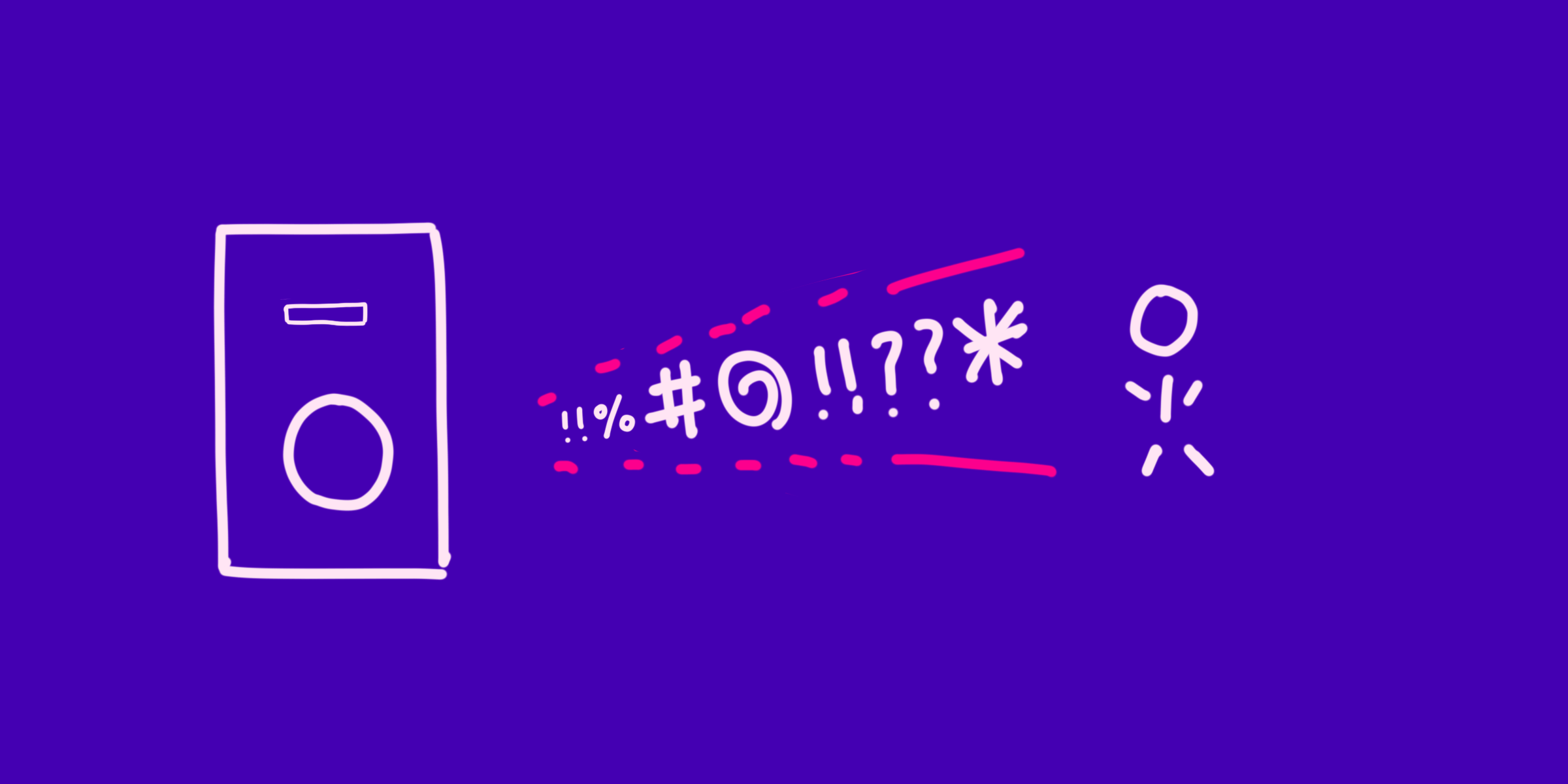
Imagine living with a loudspeaker blasting unpleasant sounds at the highest volume every single day. That is my mind trying to drown me with my own thoughts and emotions. I am unable to escape, unable to get much relief. I can only seek temporary distractions. Try to snuff it out with other sensations. If there are other rewarding parts of life perhaps I can convince myself that I can put up with the unpleasant effects of the loudspeaker. But I am incapable of feeling any sense of reward.
Knowing that I am even alive to hear that loudspeaker doesn’t make me feel much better. That my partner loves me despite me walking around with an invisible loudspeaker that she cannot see makes me immensely grateful still, but the loudspeaker is still there.
There is no happy ending here, again. Nor am I trying to write a meaningful essay or pass on some great life lesson. I am simply just writing. I am not sure if I feel pleasure from the act of writing and then publishing, but at the very least I am being. Maybe one day I can learn how to convince myself that it is enough just to be.
In an ideal state of mind I would just shrug it off and make other plans, but I felt more disappointed and frustrated than I should.
Because of my health issues I’ve been living life with strict routines. I am afraid to break my routines because eating the wrong type of food or having a sudden change in my day can trigger a migraine. I am now a person with many fears, and the pandemic has made it worse by instilling even more fears. I have lost the natural spontaneity (or recklessness, some might say) I used to have.
It is probably not a big deal if we look at it superficially — there is nothing wrong with having strict routines if they reap a different array of benefits. But lately I’ve been noticing a kind of unhappiness or anxiety when I can’t keep to my plans or when unexpected events happen. Have I lost my flexibility or have I always been like this? I’ve been suffering from chronic anxiety for so long that I don’t even remember if there was a version of me who existed before.
I think I am concerned that if I break my routines I’ll start descending into a dark pit of chaos — a sort of giving up. There is a fine line between spontaneity and recklessness. I used to live a life where I did whatever I wanted, including eating supper at 3am, sleeping at 5am, drinking 5 cups of coffee a day with zero exercise. I sought to avoid every staircase, had extra pumps of syrup with my iced lattes, and I ate candy like a kid who never got to grow up. All of those probably led to my body breaking down in my mid 30s, which led me to realise the cliché that health is wealth is really true.
The habits I’ve incorporated over the past few years have given me probably the best health I’ve ever had in my life — apart from that bout of covid. I still suffer from migraines, but they are so much less frequent and have way less intensity. I used to feel sleepy and foggy all the time which is probably why I self-medicated with caffeine.
I could probably afford to introduce more flexibility now, except I don’t know how anymore. It seems like there are only two versions of me in my mind: the person living like a nun or the person living like there is no tomorrow. I only know good or bad – moderate is not a word in my dictionary. For example: I usually eat dinner around 3-4pm so my body is no longer in digestion mode when we go to bed at 9-10pm, so I have become very reluctant to eat dinner at 6pm (especially because the “late” dinner reflects on my oura ring metrics). Which is culturally weird because 6pm is considered an early dinner time. Recently we had to catch a flight that arrived late at our destination which meant we could only sleep around 1am and it really stressed me out. Like I spent days worrying about it. It is quite ironic because it seems like trying to make my body more resilient has in a way made me less resilient?
I wonder if the capacity to be flexible is something that can be developed. If I can even be aware that I am being inflexible in the first place. Also I have some accumulated trauma from some events in my life, leading me to always feel like something catastrophic is bound to happen soon. There are reasons why I live with so much fear: the accumulated experiences that comes with age has destroyed the carefree innocence I had towards the safety of this world.
But even if I am right that the next catastrophe for me is bound to happen soon and again, I should still try to find some form of aliveness in between — or what is the point of living a life where I am just waiting in fear and anxiety in a frozen state?
Macro events are also leading me to do some serious rethinking of how my priorities in life. My health and fitness used to have an outsized priority because I don’t want to suffer unnecessarily should I have a long enough life. I want to have enough creative energy available for whatever work I may undertake. But now I am unsure I will get to live that long, or that the world will continue to be hospitable in the next decade or so. Reading my writing must be depressing for most people? But I think gauging from current events my concerns are objectively reasonable.
I am not saying that I am just going to give up and live in hedonistic excess from now on because I believe the world as we know it may end soon, but I am hoping that between hedonistic excess and a monastic existence there is some room for me to explore.
Maybe I don’t need the best health especially in terms of longevity, but good enough. Or maybe like seasons this will change as I encounter different challenges. What I think I need right now is the capacity to see possibilities instead of only walls. It is not just because I desire a wider range of life, but also to reduce my suffering each time I don’t respond well to unforeseen circumstances.
In a similar fashion I also have these imaginary weird rules in my head when it comes my creative output: how often I can publish, what sort of posts I should publish, the type of posts that can exist on my instagram feed, etc. I am really glad I’ve developed a drawing practice because I don’t just want to be someone who writes. I want to keep on developing new curiosities, new skills, new areas of my life I’ve never encountered before. But it is just so easy to get stuck in the mud, to only do what is comfortable and expected. I joked with my partner that I should start food blogging soon, and every post will come with a drawing or a poem. I meant it as a joke, but why not? These squiggly drawings that appear so often now on my blog posts never used to exist before. It would be a delight to be capable of creating things in unexpected forms that are an outcome of the multiple dimensions of me. I am just really far from that place, now.
My partner and I were were surprised we had radically different interpretations of a particular scene of a kdrama we had just watched. She had thought the lines were full of hope and optimism, whereas I thought they were un-empathetic and victim-blaming. There are some life lessons or insights that have to be derived internally by one’s self – they may sound tone-deaf if they were delivered by someone else. The exact same words, but the way the words come into our consciousness matter.
I thought it was an interesting example of how my partner’s and my brains are wired differently. To me, she only saw positive intentions behind the scene because she had a well-balanced mind and thankfully, doesn’t know what it means to feel chronically cornered, alone, and hopeless. I have spent too much of my life feeling that way, so I tend to be unreceptive and even annoyed when people tell me to “think positive” despite never having to walk a day in my mind or shoes.
I don’t think there is a “right” interpretation for that scene. What we receive is an outcome of who we are. That is the wonder of art and media. We can have the opposite reaction to what the creator has intended. I guess this is why some people are afraid to publish their opinions in public, because no matter how carefully you try to word something, there will always be people reading them the wrong way.
I have personally come a long way because I can now observe these situations with some detachment, especially when it comes to conversations with my partner. We used to have these intense arguments because we simply saw and lived our realities differently. We belong under the same blue sky and to the same small country, but the world she encountered was so different from mine. I used to ask all these questions about her growing up years and be really amazed at her experiences. I was surprised to learn that people can live life without much internal conflict, that their minds can actually be aligned with them, that it is not always a given to constantly feel hurt.
We can have differing internal realities too from day to day. I am sure even the most optimistic of us have woken up on certain days and felt like the world seemed dark and depressing. A trigger, a single event can temporarily or permanently change the way we experience the world. Sometimes all it takes is one kind encounter or one horrible incident. Other times it could be a generational event – like covid. The people living in this world are mostly the same pre and post pandemic, but the world and how I view humanity has forever transformed in my eyes.
My sense of reality has changed as I age, because my internal reality is being constantly reshaped as I encounter new learnings and experiences. When I look back at my life, I realised I was basically the same person from my late teens to my late 20s, and from then onwards suddenly I kept changing. Why? I started reading again. A lot. I look back at some of my old journal entries and cringe, and yet I also feel such empathy for my younger selves. The narrow sense of reality my younger selves had negatively influenced the way they had experienced the world. Apart from books: partners, friends, mentors, therapists can change the way we perceive reality through their interactions with us.
This is why to a certain extent, despite my chronic suicidal tendencies, I am not in favour of killing one’s self prematurely (unless illness and oppressive circumstances are involved). Because there is no way we can know what is ahead of us, how we will change. It is very easy to believe (as I did) that the world and our selves will forever be a certain way. If life has been shit for a long while, the probability of it continuing to be shit is pretty high. But there are a multitude of reasons why life is shit, and plenty of times it is because of the external environment, societal expectations and conditioning. If we are lucky, age and accumulated experiences can teach us that we can carve a life beyond what people expect of us.
But I am still miserable after removing most of the external causes of my own suffering. That is because it is extremely difficult to change one’s internal conditioning, the conditioned tendency to respond in ingrained ways. But at the very least I am experiencing a different spectrum of life. Through my journals I can see that despite my persistent belief that I am still the same old miserable person, I am really less miserable, and the sources of my misery are now different. So it makes me wonder about who my future selves would be.
We seem to live in the same reality, but we are all experiencing different realities according to how our mind perceives. The way we experience reality is profoundly influenced by our socio-economic status, gender, race, cultures, upbringing, possibly genes, etc. It is why the world can be so beautiful as we experience the art and products that arise out of these differences, and yet cause so much suffering because there is a lack of understanding and empathy. It is also why it can be so challenging to achieve understanding between different generations. People are a product of their times, and for many, their sense of reality is permanently anchored by the world that existed in their time.
Our relationships, and by extension – the world can be so much better if we retain an innate understanding: that we seem to share the same physical reality but the actual reality we experience can be vastly different. That is why the very same event can happen to two people but their responses may be like chalk and cheese, or why not every person is negatively impacted by traumatic events. Some people see meaning and lessons, others get permanently scarred. Just because as individuals we choose to accept and endure some hardship does not mean we should expect others to do the same. They may have already been invisibly broken a million times. Some people’s families feel like safety nets, other people’s families feel like prisons. The trauma our ancestors endured can affect many later generations. Even nutrition during fetal times can permanently affect the way we perceive reality because of the influence of hormones. When one has a lot more stress hormones coursing through their bodies, everything feels like a provocation.
My partner and I are still learning to navigate the differences between how we experience the very same physical reality. It has been 7 years but we are still surprised the way we read the same situation differently. Sometimes we say things that sound right in our own heads but end up offensive to the other. It is easy to accuse each other of being reactive and unreasonable. It takes much longer and more studying to truly see why the other has such a different response.
Considering our differences we think it is a miracle that we are still very much together. Somehow most of the time, the differences between us are beneficial and nourishing. Our two worlds collide and a magical intersection is birthed, constantly transforming because we are also changing as individuals. We can only hope that this continues to be a deep source of rest and inspiration for us.
Being aware of the ever-changing nature of how I perceive reality is life-changing. There is a lot less fixation and stubbornness. Wanting things to only go a very specific way causes a lot of suffering. Because I know I will change, I become a lot more open-minded when I encounter things that I tend to dislike or unfamiliar to me. I still get caught up in my personal loops and fixations, but I hope as I age I’ll become better at inviting awareness into my perception, and that I’ll develop more room and wisdom within myself to perceive the realities of people I am still struggling to understand.